Kodak Gold 200 - 120 Film
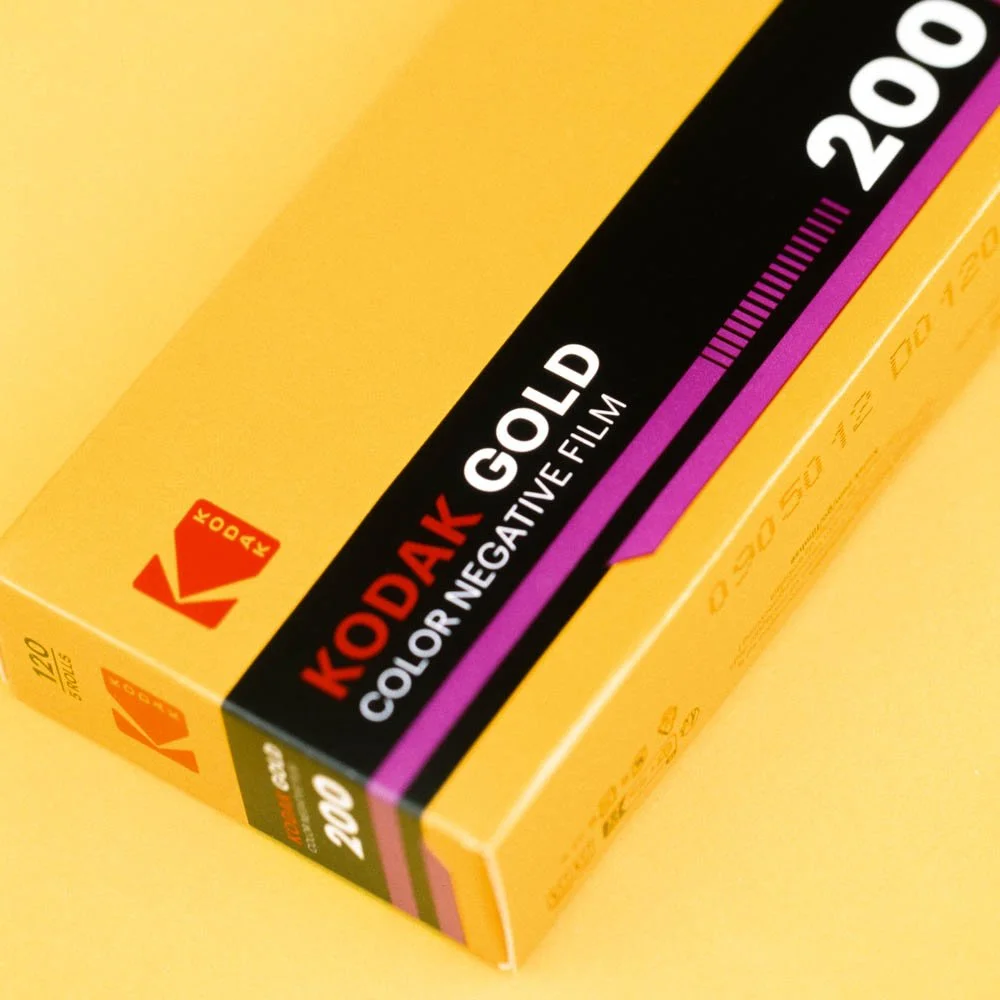
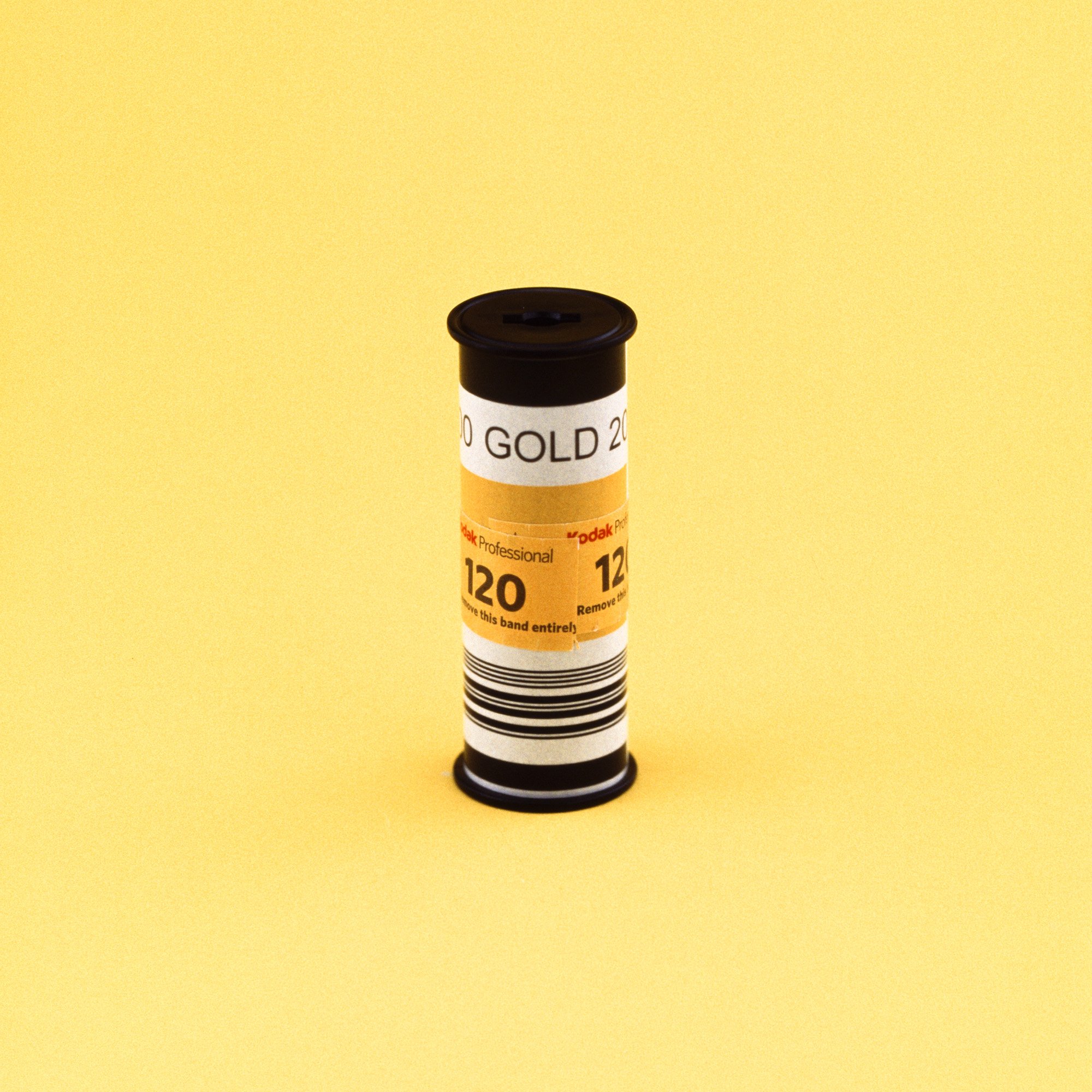


Kodak Gold 200 - 120 Film
Kodak Gold 200 – 120 format colour negative film
ISO 200 daylight-balanced C-41 process
Fine grain structure with vivid colour saturation
Wide exposure latitude — up to 2 stops under, 3 stops over
High sharpness — well suited to scanning and enlargement
Classic Kodak warm colour palette — golden, nostalgic character
Best for: portraits, travel, landscapes, and everyday medium format shooting
Kodak Gold 200 120 Film (C-41)
Kodak Gold 200 in 120 format brings the warm, beloved character of one of the world's most popular colour negative emulsions to medium format. The larger negative delivers everything Gold 200 is known for — that golden warmth, flattering skin tones, and rich colour saturation — with the added resolution and tonal depth that medium format provides. It’s one of the best-value 120 colour films available in Australia.
ISO 200 makes it a natural fit for outdoor shooting in daylight and open shade, and the wide exposure latitude means it handles imperfect metering with ease — forgiving up to two stops of underexposure and three stops over.
Why photographers love Kodak Gold 200 in 120
Gold 200 has a warmth and character that's immediately recognisable. Skin tones glow, greens lean warm and lush, blues are vivid without feeling cold. Shot in 120, those qualities are amplified by a larger negative — you get more detail, smoother gradients, and a richer tonal range that makes scanning and enlarging particularly rewarding.
It's a versatile film for medium format cameras of all kinds. The Hasselblad 500 series, Mamiya 645, Mamiya RB67, Pentax 67, Bronica ETRS, Rolleiflex, and Yashica-Mat all suit it well. Whether you're shooting portraits, travel, street, or landscapes, Gold 200 delivers consistent, pleasing results without demanding precise exposure.
For photographers coming from 35mm Gold 200, the 120 version is the same emulsion — just with more real estate on the negative to work with. The difference in quality at the scanning and printing stage is immediately apparent.
A bit of film history
Kodak Gold has been a fixture of consumer film photography since the 1980s, going through various iterations and refinements over the decades. For much of that time it was primarily a 35mm stock, making the 120 format availability genuinely exciting for medium format photographers who want the Gold look at a price that doesn't require professional-grade film budgets. The current 120 emulsion retains the warm, inviting character of the original while delivering results that hold up to serious scrutiny.
Processing
Kodak Gold 200 120 requires standard C-41 colour negative processing. We process C-41 in-house at Ikigai Film Lab in Melbourne, with scanning available on our Fujifilm Frontier and Noritsu HS-1800 scanners.
Common questions
Is the Kodak Gold 200 120 the same emulsion as the 35mm version?
Yes — it's the same emulsion, just coated onto 120 format backing paper. The colour rendering, grain structure, and exposure characteristics are identical. The difference is purely the negative size: 120 gives you a larger frame to work with, which translates to more detail and better tonal gradation at the scanning and printing stage.
How does Kodak Gold 200 120 compare to Kodak Portra 400 120?
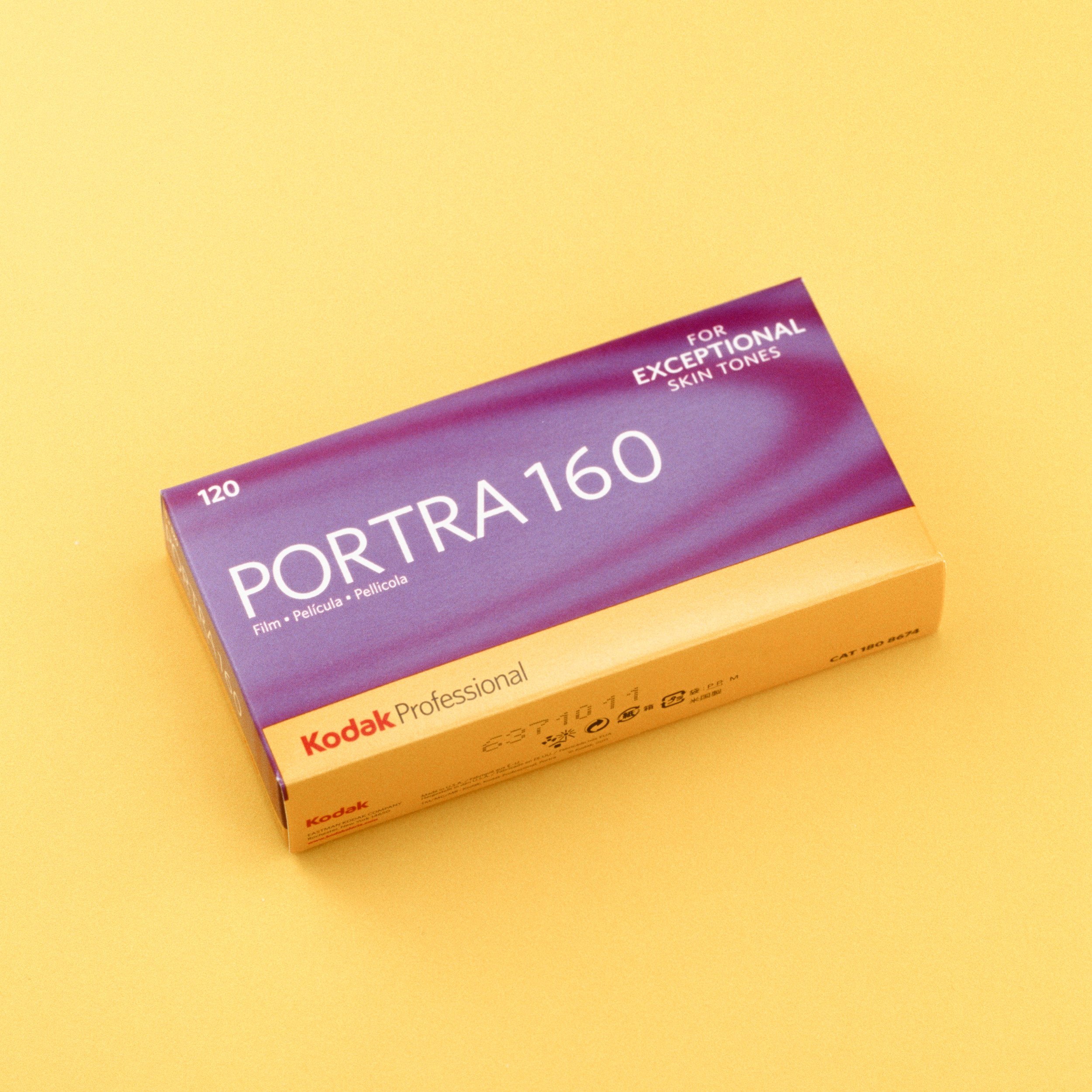
They're different films for different uses. Gold 200 has a warmer, more characterful colour palette with a nostalgic quality that many photographers love. Portra 400 is more neutral and refined, with excellent skin tone accuracy and finer grain for its speed. Portra is the professional standard for portrait and wedding work. Gold 200 is the better choice when you want warm, expressive colour at a more accessible price.
How does it compare to Kodak Ektar 100 120?
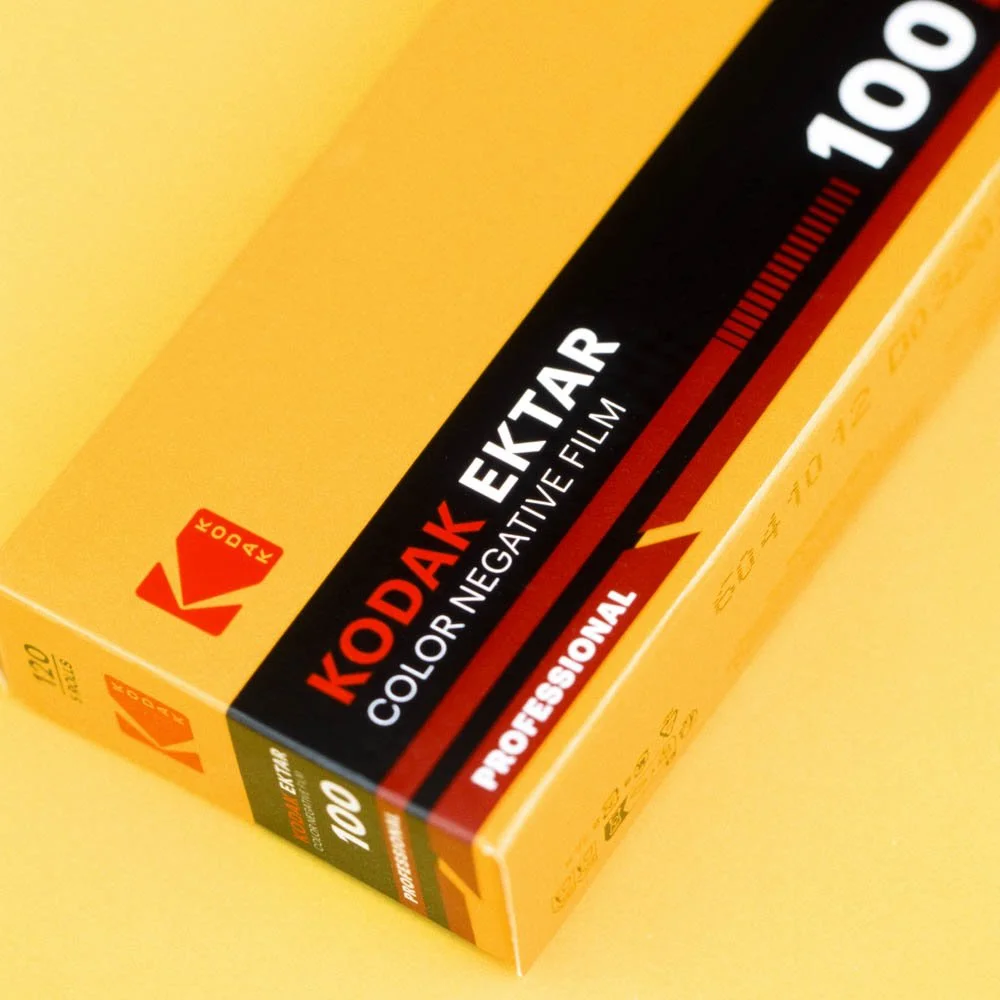
Ektar 100 is a more technically demanding film — ultra-vivid, very fine grain, but less forgiving on skin tones and exposure. Gold 200 is warmer, more flattering, and considerably more forgiving of exposure error. For landscapes and travel where precision is manageable, Ektar can be spectacular. For portraits or shooting in variable conditions, Gold 200 is the easier and often more pleasing choice.
Can I shoot Kodak Gold 200 120 indoors?
It's primarily a daylight film, but it handles indoor window light well at ISO 200. For lower-light indoor situations without a tripod you'll want a faster film — Portra 400 or Kodak TMAX 400 in 120 are better suited to those conditions.