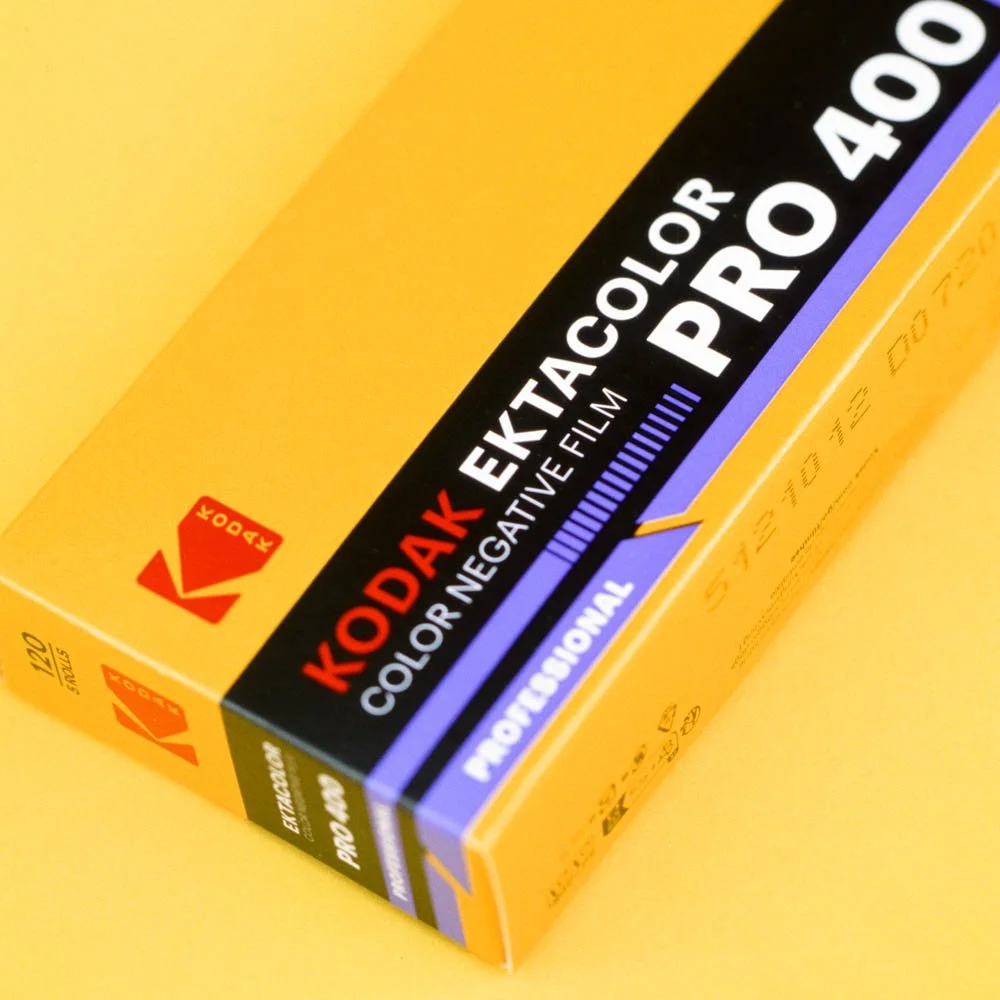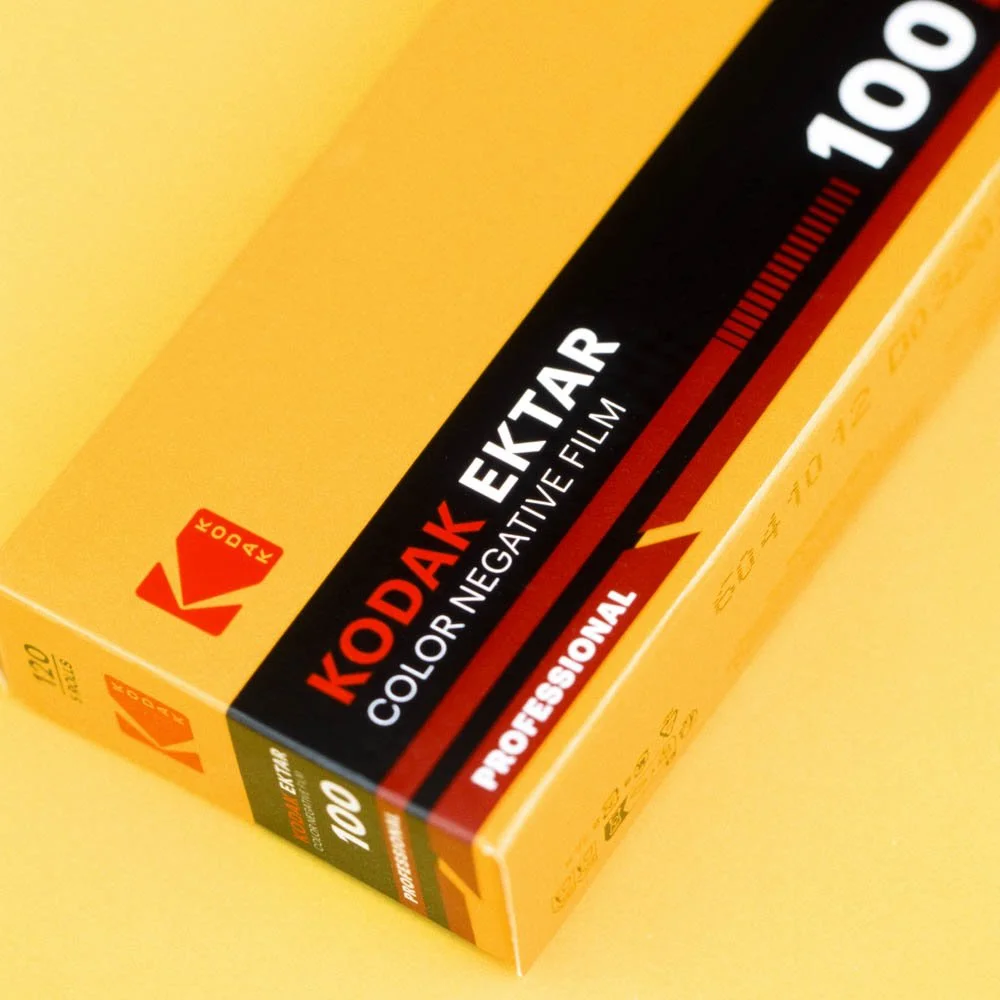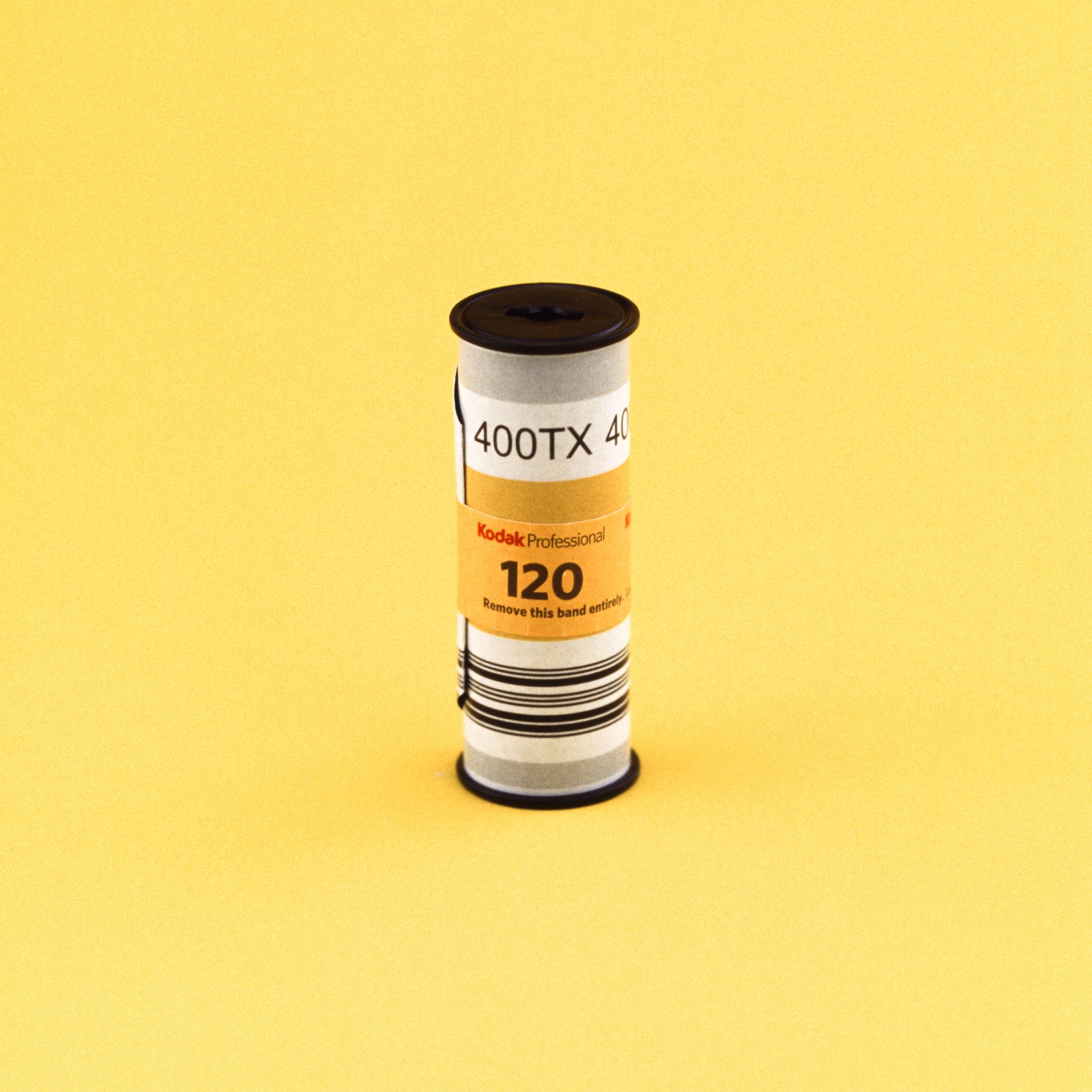
Kodak Portra 160 - 120 Film (Ektacolor Pro 160)

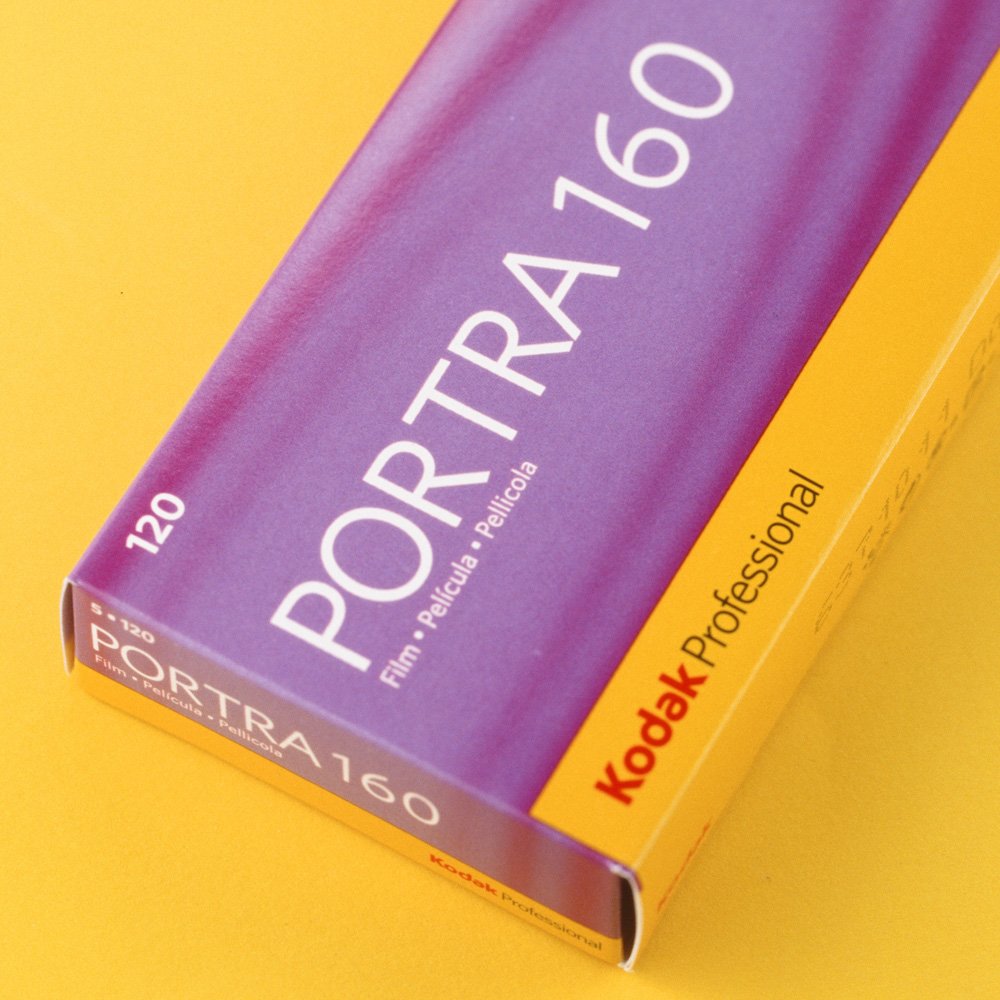
Kodak Portra 160 - 120 Film (Ektacolor Pro 160)
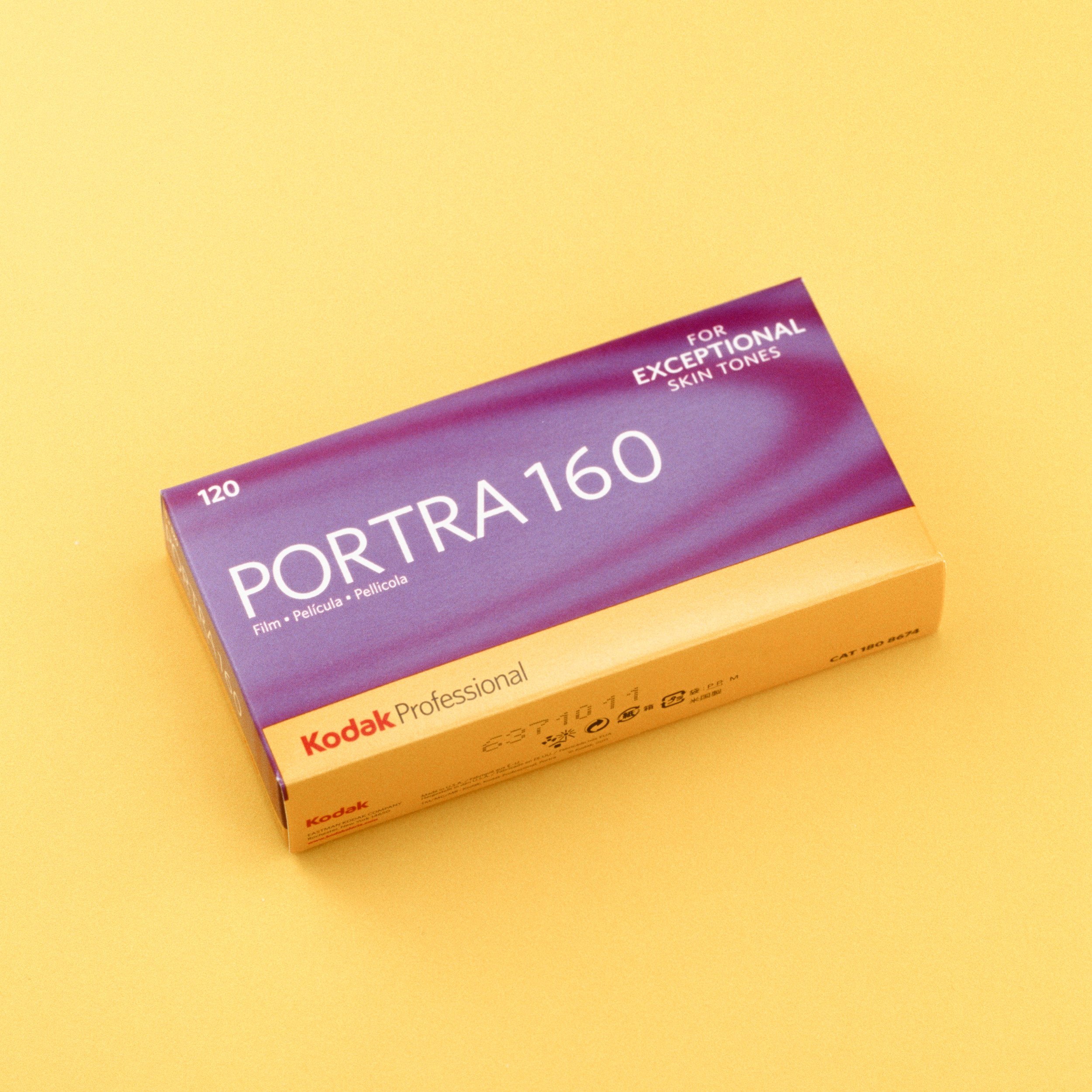
Kodak Portra 160/Ektacolor Pro 160 – 120 format colour negative film
ISO 160 daylight-balanced, C-41 process
T-GRAIN emulsion with VISION Film Technology
Ultra-fine grain, exceptional sharpness and edge detail
Medium saturation, low contrast, accurate neutral skin tones
Extraordinary exposure latitude — overexposure is rewarded
Price is per roll
Best for: portrait, fashion, editorial, wedding, and studio work in medium format
Kodak Portra 160 120 Film (Ektacolor Pro 160)
If you're looking for the finest grain and highest technical quality available in a colour negative film for medium format, Portra 160 in 120 is where that search ends. The combination of Kodak's most refined slow emulsion with the larger negative area of 120 format produces results that are genuinely difficult to achieve any other way — portrait and fashion work with presence, depth, and a tonal quality that immediately reads as professional.
ISO 160 means this film belongs to bright conditions: outdoor portraiture in good Australian light, window-lit studio sessions, fashion on location. Within those conditions it performs at a level that justifies every roll. The T-GRAIN emulsion and VISION Film Technology mean grain that is almost imperceptibly fine in 120 — at normal scanning resolution you are seeing the limits of the scanner before you see the limits of the film. Sharpness and edge detail are exceptional. The Portra colour signature — neutral warmth, accurate skin tones, low contrast that preserves the full tonal range — is here in its most refined form.
Camera pairings: Hasselblad 500 series, Mamiya RB67, Mamiya 645, Pentax 67, Bronica ETRS, Mamiya 7, Rolleiflex — Portra 160 suits any medium format system. With a sharp lens and good light, the results speak for themselves.
FAQ
Is Ektacolor Pro 160 the same as Portra 160?
Yes. Kodak Ektacolor Pro 160 and Portra 160 are the same professional ISO 160 colour negative film stock. Same emulsion, same look, different packaging/name.
Why is Kodak using the Ektacolor name?
Kodak has reintroduced the Ektacolor branding in some markets and commercial channels. The film itself remains the same stock photographers know as Portra 160.
Is Ektacolor Pro 160 a new film?
No. Ektacolor Pro 160 is not a new emulsion or a different colour negative film stock. It is Kodak professional ISO 160 colour negative film, equivalent to Portra 160.
Why photographers love Kodak Portra 160 in 120
The medium format negative transforms Portra 160 from an already-excellent film into something genuinely exceptional. What is very fine grain in 35mm becomes essentially invisible grain in 120. The tonal depth increases measurably — the larger capture area means more information, smoother gradations, better separation between tones that would be compressed in a smaller negative. Detail in highlight and shadow that would require careful printing to extract from 35mm is simply there.
Portra 160 in 120 is the film of choice for photographers who need to deliver work at the highest professional standard and are working in conditions that allow it. Fashion editorial, beauty portraiture, architectural interiors in daylight, fine art landscape — anywhere that technical quality is the priority and light is controllable, this is the tool. The low contrast and medium saturation mean the image looks natural and three-dimensional rather than processed, and the neutral skin tone rendering is accurate across a wide range of subjects and complexions.
Like all Portra films, Portra 160 in 120 loves overexposure. Rating it at ISO 100 or 80 and developing normally gives luminous highlights, lifted shadows, and even smoother grain. The latitude on the overexposure side is generous — two stops over is fine, three is often still workable. On the underexposure side the film is less forgiving, so meter carefully and err on the side of more light.
A bit of film history
Kodak's Portra range launched in 1998, drawing on decades of professional portrait and wedding film development. Portra 160 has been refined through multiple reformulations, with the current generation incorporating T-GRAIN emulsion and VISION Film Technology from Kodak's motion picture division. In 120 format, Portra 160 has been consistently used by professional portrait, fashion, and wedding photographers around the world — it is one of the definitive professional colour negative films in medium format. The sample images on this listing were shot by Melbourne photographer Jace Martin.
Processing
Kodak Portra 160 requires standard C-41 colour negative processing. We process C-41 in-house at Ikigai Film Lab in Melbourne, with scanning available on our Fujifilm Frontier and Noritsu HS-1800 scanners. Portra 160's ultra-fine grain and exceptional sharpness are fully realised at the scanning stage — the 120 negative has the size to show everything this emulsion can do.
Common questions
How does Portra 160 120 compare to Portra 400 120?
Portra 160 has finer grain, higher sharpness, and slightly more neutral colour rendering than Portra 400. In 120 these differences are amplified — the larger negative makes the grain distinction between the two more apparent, and Portra 160's technical edge is easier to see. The tradeoff is speed: ISO 160 limits you to good light, whereas Portra 400 handles a much wider range of conditions. For controlled, light-rich situations where maximum quality is the goal, choose 160. For flexibility, choose 400.
What ISO should I rate Portra 160 in 120 at?
Box speed is ISO 160, but overexposure is rewarded. Rating at ISO 100 or 80 and developing normally gives even smoother grain, more luminous highlights, and a slightly lifted quality that many medium format portrait photographers prefer. Avoid underexposure — Portra 160 is generous on the over side and less forgiving on the under side.
Is Portra 160 120 good for weddings?
Yes — it's one of the finest options for outdoor wedding portraiture and ceremony work in good light. The neutral skin tones, exceptional grain, and high sharpness in 120 format produce results that hold up at any print size. For indoor or lower-light wedding situations, Portra 400 or Portra 800 in 120 will give more flexibility. Many wedding photographers shooting medium format use Portra 160 for outdoor portraits and Portra 400 for everything else.
How does Portra 160 120 compare to Kodak Ektar 100 120?
Both are technically excellent slow films in 120, but they have very different personalities. Ektar 100 is vivid, high-saturation, and ultra-sharp — superb for landscape, travel, and architecture, but its highly saturated colour rendering can shift skin tones in ways that require care in portraiture. Portra 160 is neutral, flattering, and portrait-first. For people, choose Portra 160. For colour-saturated subjects without people, Ektar 100 is exceptional.
Is the 120 version the same emulsion as the 35mm version?
Yes — the same emulsion on 120 backing paper. The difference is the negative size, which delivers finer apparent grain, more tonal depth, greater detail, and better performance at the scanning and printing stage. In Portra 160, which is already an extremely fine-grained emulsion, the effect of shooting in 120 is particularly noticeable.