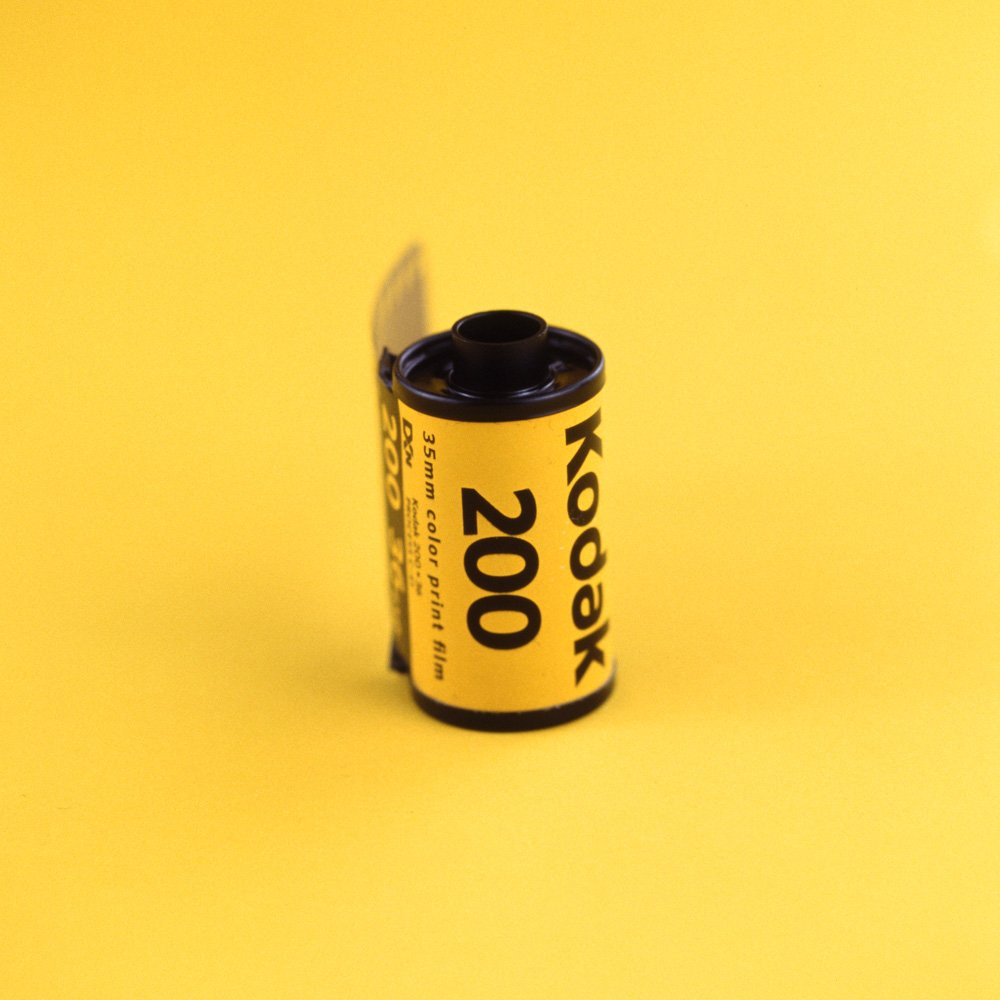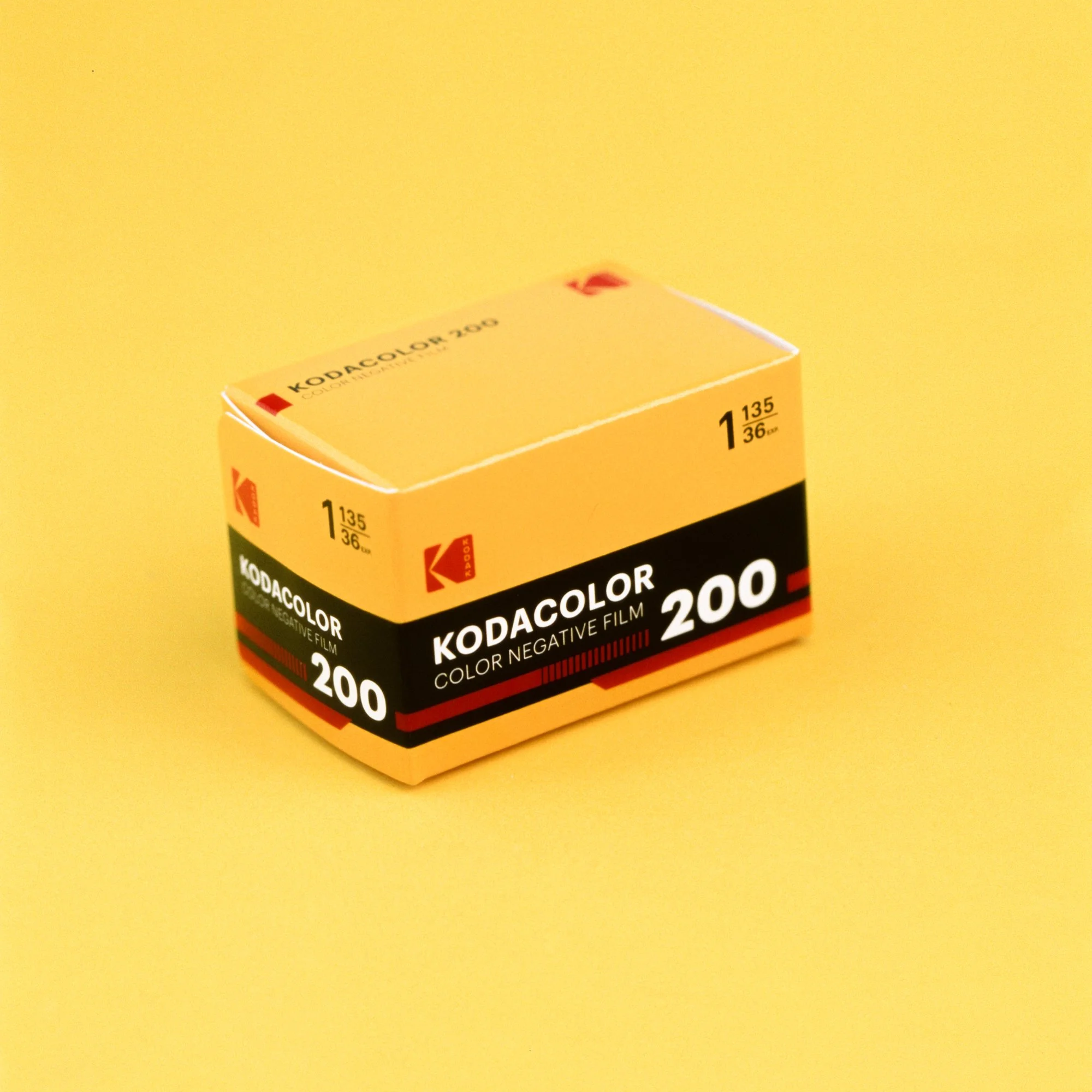
Ilford Delta 3200 - 35mm - 36 exp
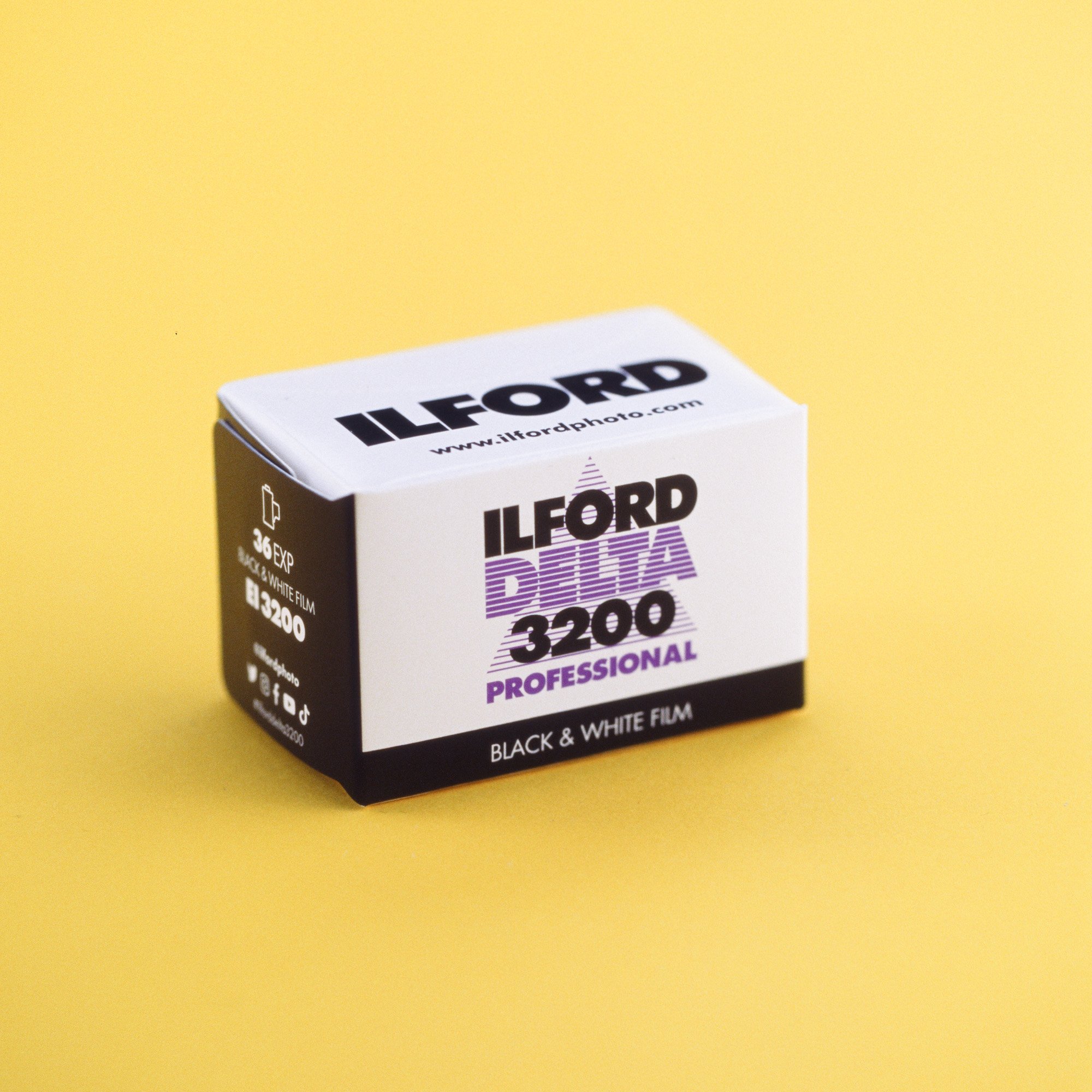

Ilford Delta 3200 - 35mm - 36 exp
Ilford Delta 3200 – 35mm panchromatic black and white negative film, 36 exposures
Nominal sensitivity EI 3200 — true native speed approximately EI 1000, optimised for standard development at 3200
Core-shell crystal Delta technology — finest grain structure available at this speed
Exceptionally wide exposure latitude — usable from EI 400 to EI 6400
Rich tonality with unobtrusive grain for an ultra-high speed film
The only ultra-high speed precision black and white film in production
DX-coded cassette, 36 exposures
Best for: concerts, gigs, theatre, night photography, documentary, and any shooting in genuinely difficult light
Ilford Delta 3200 35mm Film
Delta 3200 is the fastest film in our store and one of the most capable black and white films ever made. When the light is at its absolute worst — a dark venue, a stage lit only by practicals, a street scene at midnight, an interior with no available flash — Delta 3200 is what lets you keep shooting when everything else forces you to stop. It produces rich tonality and surprisingly controlled grain at a speed that should be punishing, and it does it consistently enough to be a film you can genuinely rely on in professional situations.
One thing worth understanding before you load it: Delta 3200's name refers to its recommended exposure index, not its native sensitivity. The film's true native speed is approximately EI 1000. When you rate it at EI 3200 and develop normally, you're effectively pushing it about 1.5 stops — and Ilford has engineered the emulsion and development specifications precisely around this. Rate it at 3200, process normally, and the results are exactly what Delta 3200 is designed to deliver.
Why photographers love Ilford Delta 3200
The grain on Delta 3200 is what surprises people who haven't shot it before. At ISO 3200 you expect punishment. What you get instead is grain that's present — unmistakably, beautifully present — but structured and organic in a way that suits the subjects this film is made for. Concert photography, documentary work, theatre, street photography at night — the grain doesn't fight the image, it becomes part of it. Shadows are deep and rich, highlights hold texture that slower films would blow out, and the overall rendering has a drama that matches the situations you're shooting in.
Ilford's core-shell crystal Delta technology is why the grain behaves as well as it does. The tabular crystals expose more efficiently and pack more uniformly than conventional grain, giving Delta 3200 a grain advantage over traditional high-speed emulsions. Following Kodak's discontinuation of TMAX 3200, Delta 3200 became effectively the only ultra-high-speed precision black and white film in production — in 35mm or any format. There is no substitute.
The exposure latitude is extraordinary. Rate Delta 3200 at EI 400 in better light and you get cleaner, finer-grained results with more compressed contrast. Rate it at EI 6400 in extreme conditions and it still produces expressive, usable negatives. This flexibility makes it genuinely useful across a wider range of situations than its reputation as a pure low-light specialist might suggest.
Camera pairings: fast lenses make the most of this speed — a Leica M with a 50mm f/1.4 Summilux, a Nikon F3 with a 50mm f/1.2 AI-S, a Canon F-1 with the 50mm f/1.2 L. Any manual camera paired with a fast lens and Delta 3200 can produce images in dark venues that simply aren't possible any other way.
A bit of film history
Delta 3200 was introduced by Ilford in 1998 as part of the Delta professional series alongside Delta 100 and Delta 400. The Delta range used Ilford's core-shell crystal technology to achieve finer grain at high speeds than conventional silver halide — the same approach Kodak took with their T-GRAIN technology in the TMAX series. Delta 3200 was the fastest film in the Delta range at launch, and remains so today. After Kodak discontinued TMAX 3200, Delta 3200 became the only ultra-high-speed precision B&W film in production anywhere in the world — a position it still holds.
Processing
Ilford Delta 3200 requires standard black and white negative processing, developed to the specifications for the exposure index you rated the film at. Ilford DD-X and Microphen are the recommended developers for high-speed Delta work — both support pushing effectively and produce the best combination of shadow detail and grain control. ID-11 is a reliable all-rounder. Always note your rated EI on your processing order so development time can be adjusted accordingly. We process black and white in-house at Ikigai Film Lab in Melbourne, with scanning available on our Fujifilm Frontier and Noritsu HS-1800 scanners.
Common questions
Is Delta 3200 really ISO 3200?
The film's nominal sensitivity is rated at EI 3200 for standard development, but its true native speed is approximately EI 1000. Rating it at 3200 and developing normally constitutes a mild push that Ilford has specifically designed the emulsion and development specifications around. Rate it at 3200, develop normally, and you'll get exactly what Delta 3200 is designed to deliver. Always note your rated EI on your processing order. There’s no need to pay for push processing when shooting at 3200.
What EI can I rate Delta 3200 at?
Ilford specifies it as usable from EI 400 to EI 6400. At EI 400 you get finer grain and compressed contrast — some photographers use this deliberately for a cleaner look. At EI 1600 you get slightly finer grain with slightly less shadow detail than at box speed. At EI 3200 you get the standard results. At EI 6400 contrast and grain increase significantly but the results can be very effective for extreme low-light documentary work.
How does Delta 3200 compare to pushing HP5 Plus to 3200?
Delta 3200 at its nominal rating is specifically engineered for this speed range — the grain is more controlled, the tonality richer, and shadow and highlight retention better than pushing HP5 three stops achieves. Pushing HP5 to 3200 significantly increases contrast and compresses shadow detail. For regular ultra-high-speed shooting Delta 3200 is the superior technical choice. Pushed HP5 has a distinct, more aggressive aesthetic that some photographers prefer specifically for that reason — it's a creative choice rather than a technical one.
How does Delta 3200 35mm compare to the 120 version?
Same emulsion, different format. The 120 version gives you a larger negative with noticeably finer apparent grain, greater tonal depth, and more detail at equivalent speeds — if you shoot medium format, the 120 version is meaningfully better. For 35mm cameras and the portability that comes with them, the 35mm version gives you everything Delta 3200 is known for in a camera you can carry anywhere.