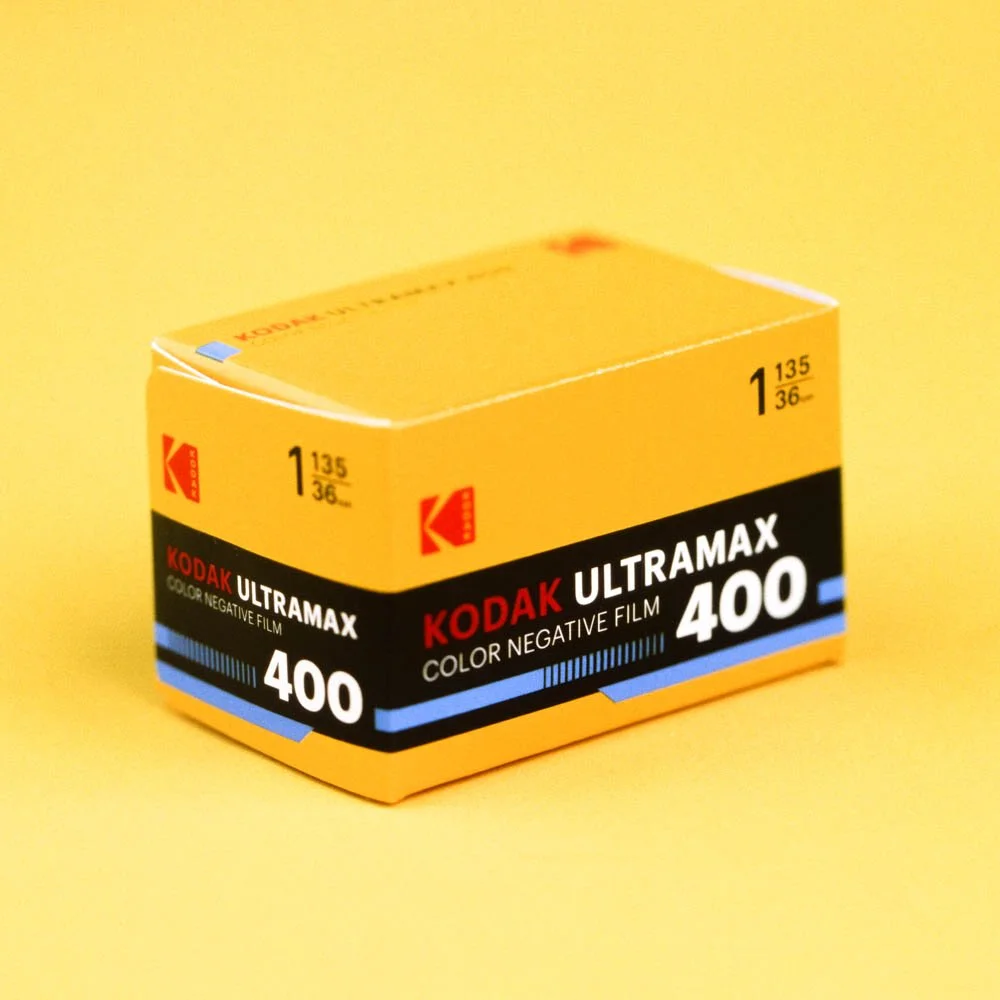
Kodak Portra 160 - 35mm Film - 36 exp roll (Ektacolor Pro 160)
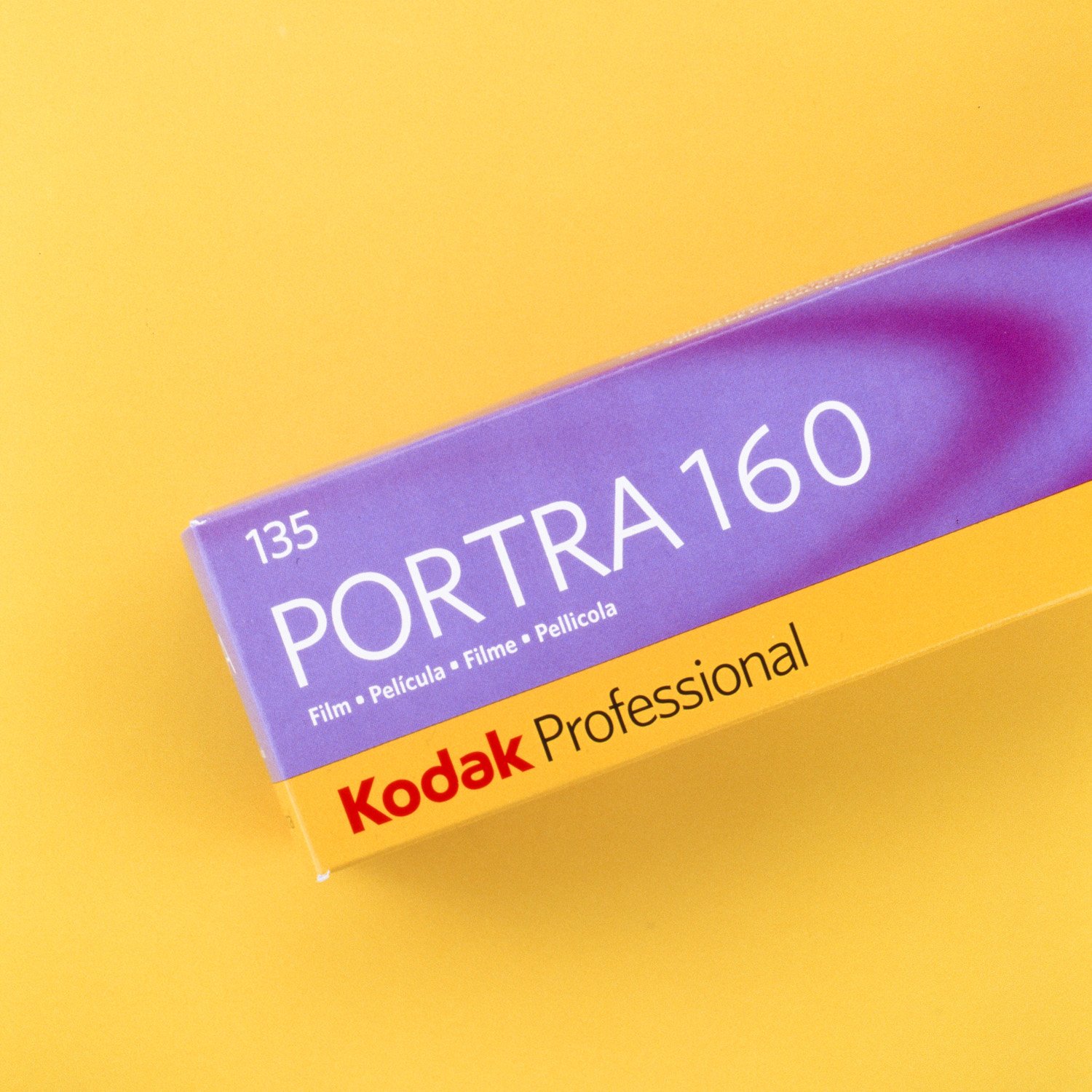
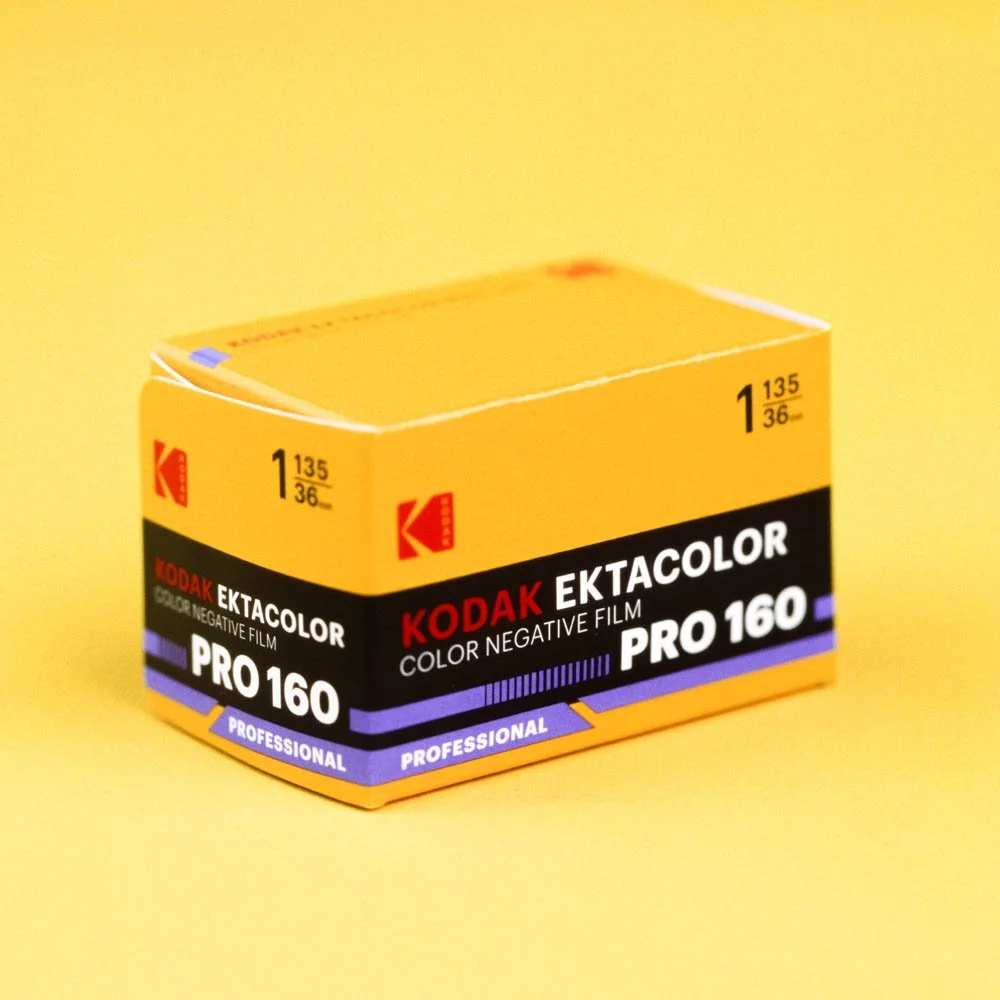
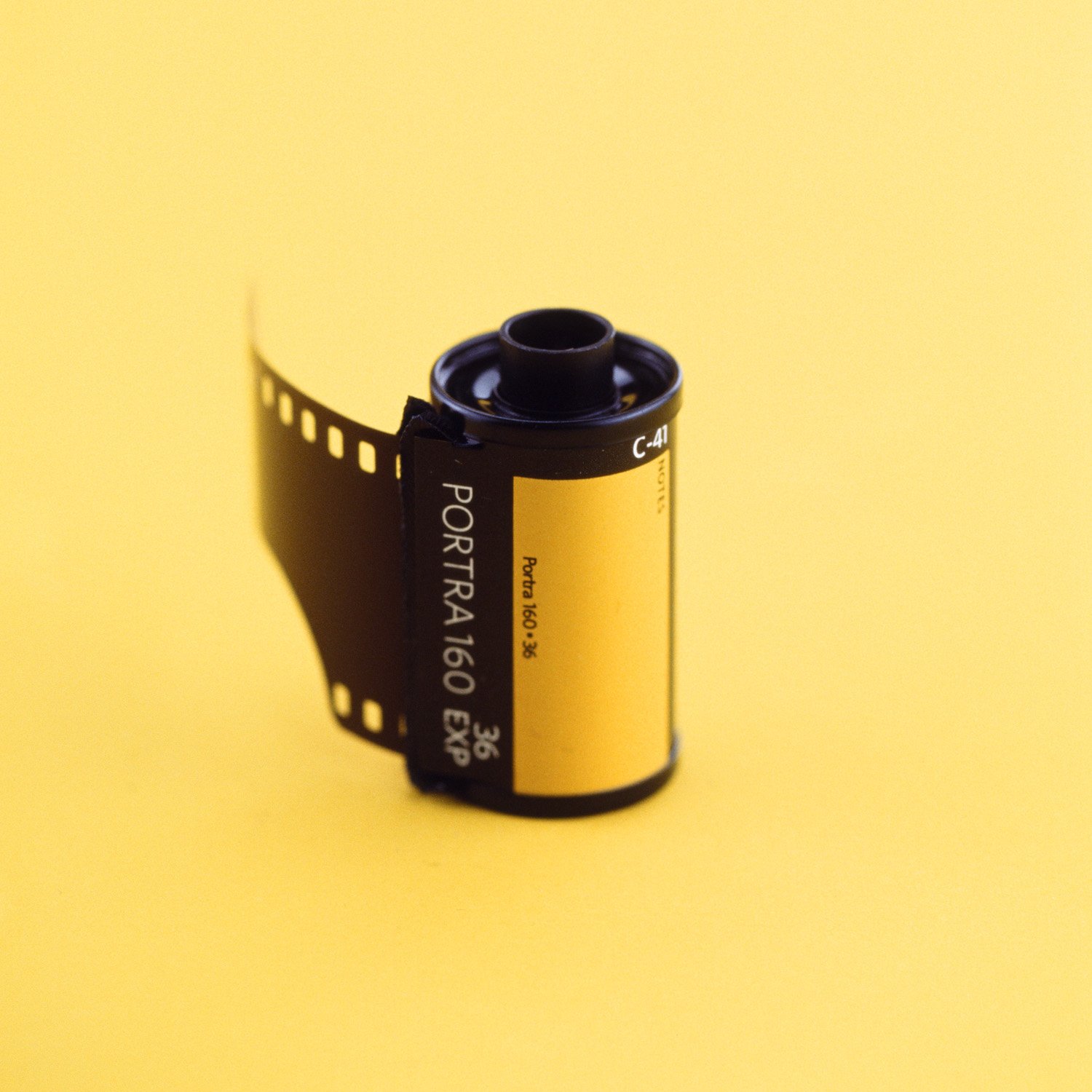
Kodak Portra 160 - 35mm Film - 36 exp roll (Ektacolor Pro 160)
Kodak Portra 160/Ektacolor Pro 160 – 35mm colour negative film, 36 exposures
ISO 160 daylight-balanced
T-GRAIN emulsion with VISION Film Technology
Ultra-fine grain, high sharpness, exceptional edge detail
Medium saturation, low contrast, accurate neutral skin tones
Extraordinary exposure latitude — handles overexposure generously
C-41 colour negative processing
Price is per roll
Best for: portrait, wedding, fashion, studio, and outdoor shoots in good light
Kodak Portra 160 35mm Film (Ektacolor Pro 160)
Portra 160 is the slowest and most technically refined film in Kodak's professional Portra lineup — and for photographers who shoot in good light and want the absolute best grain, sharpness, and colour accuracy the Portra family can deliver, it's the one to reach for. ISO 160 places it firmly in the realm of bright outdoor shooting, window-lit portraits, and controlled studio environments, and within those conditions it produces results that are genuinely difficult to match on any other colour negative film.
The T-GRAIN emulsion and VISION Film Technology that define the Portra range are at their most impressive at ISO 160. Grain is extraordinarily fine — finer than Portra 400, finer than almost any colour negative film you can shoot. Sharpness and edge detail are exceptional. The colour palette is the characteristic Portra neutral warmth: accurate, true, flattering to skin tones without exaggerating them. Low contrast means the full tonal range is preserved — highlights don't clip, shadows retain detail — and medium saturation keeps the look elegant rather than vivid.
Camera pairings: Contax T2, Nikon F100, Canon EOS-3, Leica M, Canon AE-1, Nikon FM2, Olympus OM-4 — Portra 160 suits any camera with a clean, sharp lens that can make use of everything this emulsion offers.
FAQ
Is Ektacolor Pro 160 the same as Portra 160?
Yes. Kodak Ektacolor Pro 160 and Portra 160 are the same professional ISO 160 colour negative film stock. Same emulsion, same look, different packaging/name.
Why is Kodak using the Ektacolor name?
Kodak has reintroduced the Ektacolor branding in some markets and commercial channels. The film itself remains the same stock photographers know as Portra 160.
Is Ektacolor Pro 160 a new film?
No. Ektacolor Pro 160 is not a new emulsion or a different colour negative film stock. It is Kodak professional ISO 160 colour negative film, equivalent to Portra 160.
Why photographers love Kodak Portra 160
Portra 160 has a devoted following among portrait and wedding photographers who work primarily in daylight or studio conditions and prioritise technical quality above all else. The grain structure is one of the finest on any ISO 160 or faster colour film — in good light, a well-exposed frame on Portra 160 has a presence and refinement that makes it clear why professional photographers have trusted this emulsion for decades.
The exposure latitude is exceptional. Like all Portra films, Portra 160 loves overexposure — shooting at ISO 100 or even ISO 80 and developing normally gives lifted, luminous results with even smoother grain and softer highlight rendering. The film is far more forgiving of overexposure than underexposure; two or three stops over is fine, while keeping it at or slightly above box speed is the sweet spot for most situations. Don't underexpose it.
What Portra 160 does with skin tones is what keeps photographers coming back. The neutrality is precise without being clinical — faces look like faces, warmth is present without being artificially applied, and the low-contrast rendering means that difficult lighting situations (open shade, dappled light, bright backlight) produce results that hold detail across the frame. It's a film that flatters its subjects while remaining honest.
A bit of film history
Kodak's Portra range was introduced in 1998, consolidating and replacing several earlier professional portrait and wedding films. Portra 160 has been reformulated multiple times since then, with the current generation incorporating T-GRAIN emulsion and VISION Film Technology drawn from Kodak's motion picture division. The current Portra 160 is widely considered the finest version Kodak has produced — finer-grained, sharper, and more scanning-optimised than any earlier iteration. It remains one of the definitive professional portrait films in the world, used by photographers across fashion, editorial, wedding, and fine art portraiture.
Processing
Kodak Portra 160 requires standard C-41 colour negative processing. We process C-41 in-house at Ikigai Film Lab in Melbourne, with scanning on our Fujifilm Frontier and Noritsu HS-1800 scanners. Portra 160's fine grain and high sharpness scan exceptionally well — the detail the emulsion captures is fully realised at the scanning stage. If you're overexposing intentionally (which we recommend), there's no need to note anything on your order — develop at box speed and let the latitude do its work.
Common questions
How does Portra 160 compare to Portra 400 in 35mm?
Portra 160 has finer grain, higher sharpness, and slightly more neutral colour rendering than Portra 400. The tradeoff is speed — ISO 160 limits you to bright outdoor conditions, window light, or studio setups, whereas Portra 400 is usable across a much wider range of lighting situations. If you're shooting in good light and want the finest grain and sharpest results the Portra family offers, choose 160. If you need more flexibility, choose 400.
What ISO should I rate Portra 160 at?
Box speed is ISO 160, but like all Portra films, Portra 160 rewards overexposure. Rating it at ISO 100 or 80 and developing normally gives even smoother grain, more luminous highlights, and a slightly lifted, airy quality that many portrait photographers prefer. Avoid underexposure — Portra 160's latitude is generous on the over side, not the under side.
Is Portra 160 good for weddings?
Yes, particularly for outdoor ceremonies and receptions in good light. The neutral, flattering skin tones and fine grain make it a natural choice for portrait-driven wedding work. For indoor or lower-light situations, Portra 400 or Portra 800 will give you more flexibility. Many wedding photographers carry both — Portra 160 for outdoor portraits and ceremony, Portra 400 for reception and candids.
Can I push Portra 160?
Pushing is possible but not recommended as a regular practice — Portra 160 is designed for the speed range it occupies, and pushing it to 320 or 400 doesn't give you the same results as simply shooting Portra 400. If you need ISO 400, shoot Portra 400. Portra 160 is best used at or slightly below box speed where its technical qualities shine.
How does Portra 160 compare to Fujifilm Pro 400H?
Pro 400H is discontinued, but the comparison is worth making. Pro 400H had a cooler, greener palette and was beloved for outdoor portrait work — particularly fashion. Portra 160 is warmer and more neutral, with finer grain. If you were a Pro 400H shooter looking for a slow, technically excellent colour negative film, Portra 160 is one of the closest still-available alternatives, though the colour signature is different.