Ikigai Double-X - Motion Picture Film - 35mm - 36 exp

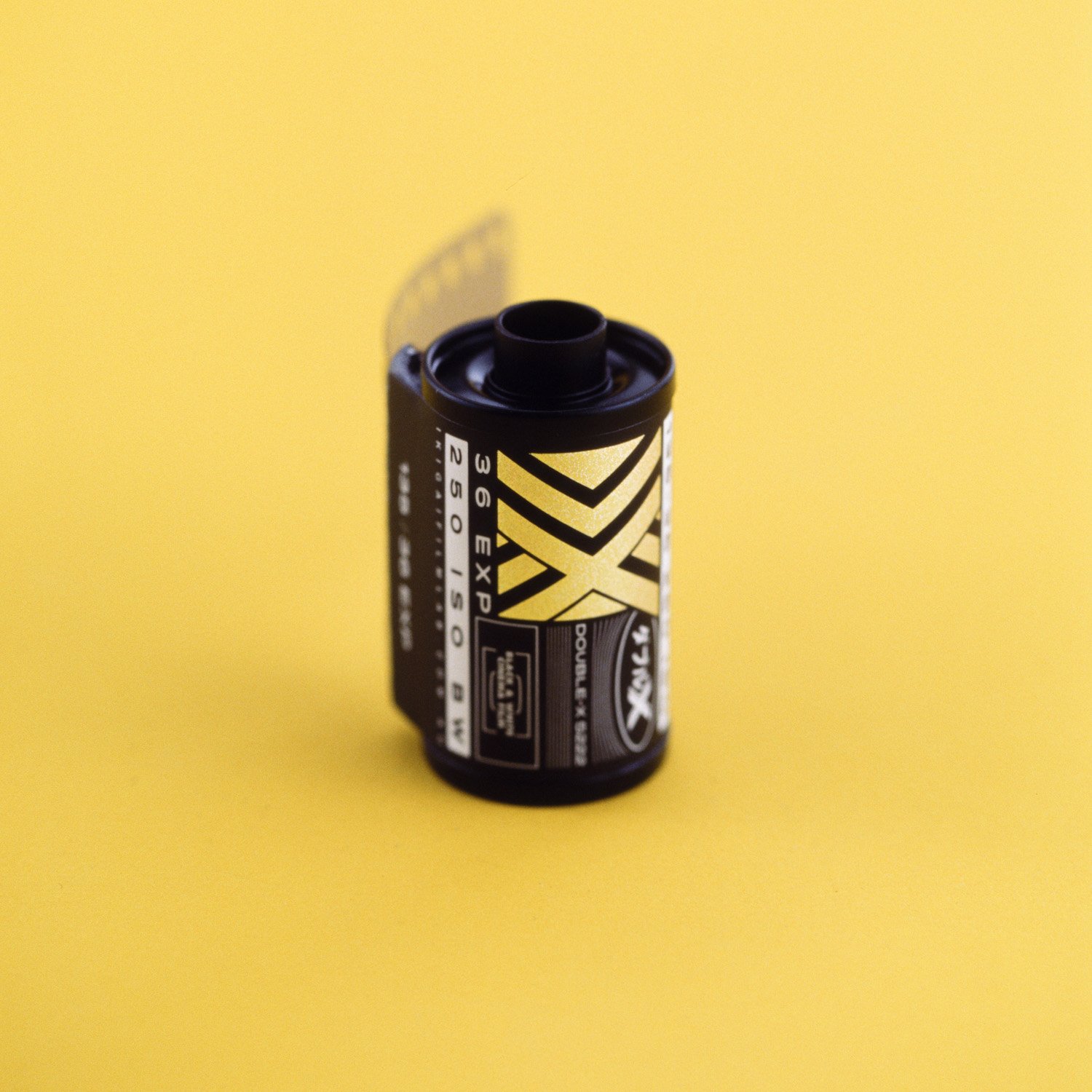
Ikigai Double-X - Motion Picture Film - 35mm - 36 exp
Kodak Double-X 5222 – bulk loaded and hand spooled by Ikigai Film Lab
ISO 250 in daylight / ISO 200 in tungsten light — standard black and white development
Classic motion picture emulsion unchanged since 1959
Beautifully characterful grain with deep shadow detail and wide tonal range
Spooled into recycled 135 cassettes — non DX-coded
Completely transparent — film origin, ISO, and original name all published on canister and website
Kodak would prefer we didn't do this. We do it anyway, for you.
Best for: street photography, portraiture, low-light shooting, and anyone after a genuine cinematic B&W look
Ikigai Double-X — Kodak 5222 Motion Picture Film, Hand Spooled in Melbourne
Kodak Double-X is one of the greatest black and white film emulsions ever made. It's been shooting cinema since 1959 — completely unchanged — and has appeared in some of the most visually striking films ever made. It's also, in its native motion picture format, largely inaccessible to still photographers: expensive, difficult to source, and not intended for cameras.
So we bulk load it ourselves and spool it into 36-exposure 135 cassettes. Kodak would prefer we didn't. We do it anyway, because this film deserves to be shot by more people, and because making it accessible at a fair price is exactly the kind of thing a film lab in Melbourne should be doing for its community.
We don't obfuscate anything. The film's origin, its proper name, its ISO, and its full specifications are printed on the canister and published here. What you're getting is exactly what it says: Kodak Double-X 5222, hand spooled by us, at a price that puts it within reach of everyday film photographers.
Why photographers love Kodak Double-X
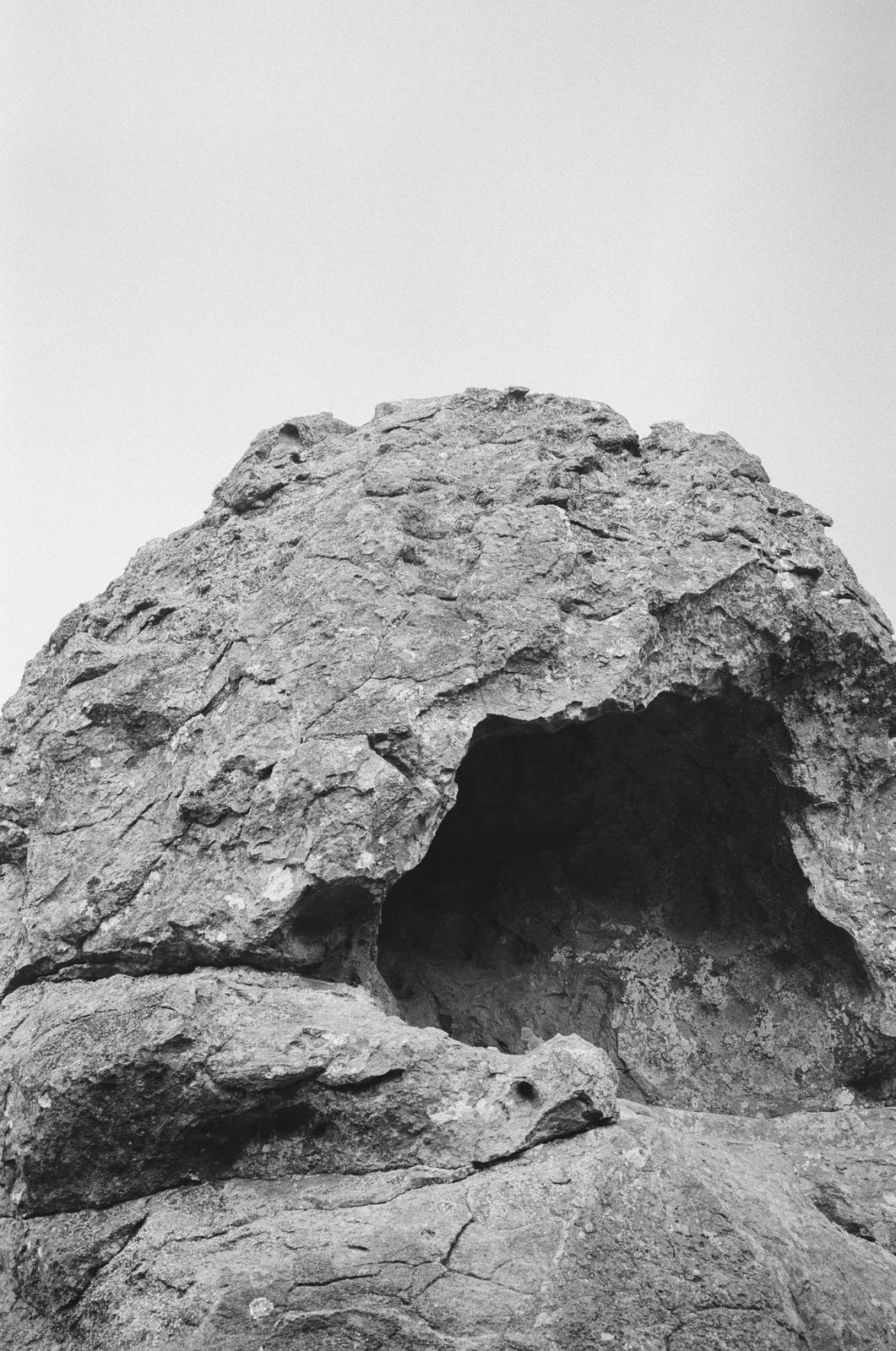
Double-X has a character that's hard to describe without just pointing at a photograph and saying: that. It's classically grained — not in the gritty, aggressive way of pushed Tri-X, and not in the smooth, fine way of TMAX 400 — but in a way that feels genuinely cinematic. There's depth to it. Shadow detail is excellent, midtones are rich, and highlights hold beautifully without blocking up.
At ISO 250 in daylight it sits in a useful middle ground — fast enough to be genuinely versatile, slow enough to keep grain controlled in good light. It responds well to push processing and takes beautifully to a range of developers: D-76, HC-110, Rodinal, and ID-11 all suit it, each bringing out slightly different qualities in the grain and contrast.
Camera pairings: Nikon F2, Canon F-1, Leica M cameras, Olympus OM-1, Contax RTS — any manual camera where you're setting exposure yourself will suit it well. Because the cassettes are non DX-coded, you'll need to set ISO manually; cameras that rely on DX coding will default to ISO 100, so check your camera before shooting.
A bit of film history
Kodak Double-X 5222 has been in continuous production since 1959, making it one of the longest-running film emulsions still being manufactured anywhere in the world. The formula has never been changed — what you're shooting today is the same emulsion that rolled through cinema cameras during the French New Wave, the New Hollywood era, and countless productions since. Its filmography is extraordinary: Raging Bull, Manhattan, Schindler's List, Stranger Than Paradise, Memento, Kill Bill Vol. 1, Casino Royale, The Lighthouse, and many more. Directors and cinematographers keep returning to it because nothing else quite replicates what it does.
Processing
Double-X requires standard black and white negative processing — it's not an ECN-2 motion picture film (it has no remjet layer), so it develops cleanly in standard B&W chemistry. We process black and white in-house at Ikigai Film Lab in Melbourne, with scanning available on our Fujifilm Frontier and Noritsu HS-1800 scanners. If you're pushing, note your rated ISO on your order.
Common questions
Kodak makes this for cinema — isn't bulk loading it for still photography something they'd rather you didn't do?
Yes. Kodak sells Double-X as a motion picture stock and doesn't officially support it being bulk loaded and sold for still photography use. We do it anyway because we think the film community deserves access to remarkable emulsions at fair prices, and because being transparent about exactly what we're doing means there's no deception involved — just a lab doing something useful for the people who shoot with them.
How is this different from what other companies do when they rebrand motion picture film?
Complete transparency is the difference. We don't give it a made-up name, we don't obscure the ISO or the emulsion origin, and we don't charge a premium on top of what the film's actual value warrants. The original name is on the canister. The ISO is accurate. The price is fair. There's no mystery about what you're getting.
The cassettes are non DX-coded — does that matter?
It means cameras that automatically read ISO from the DX code on the cassette will default to whatever their auto-ISO setting is — often ISO 100. If your camera requires DX coding for ISO selection, you'll need to set ISO manually or use a DX coding sticker. Any camera with a manual ISO dial — SLRs, rangefinders, most serious cameras — will work perfectly without any modification.
How does Double-X compare to Kodak Tri-X 400?
Both are classic Kodak B&W emulsions with strong grain character, but they're distinct. Tri-X is more contrasty and punchy with an aggressive grain that's part of its identity. Double-X is smoother in its tonal gradation with deeper shadow detail and a more cinematic quality — less street documentary, more considered composition. Many photographers who love Tri-X find Double-X offers something different and equally compelling.
How does it compare to Ilford HP5 Plus?
HP5 is more neutral and modern in character — clean, versatile, and very forgiving. Double-X is more distinctive: it has a stronger visual personality, a more pronounced grain structure, and a look that's immediately recognisable as something specific. If you want reliable and consistent, HP5 is the answer. If you want character, Double-X is the answer.
Can I push Double-X?
Yes. It pushes well to ISO 500 or 800 with good results — increased grain and contrast that suit the film's cinematic character nicely. Always tell your lab the ISO you rated the film at so development time can be adjusted accordingly.