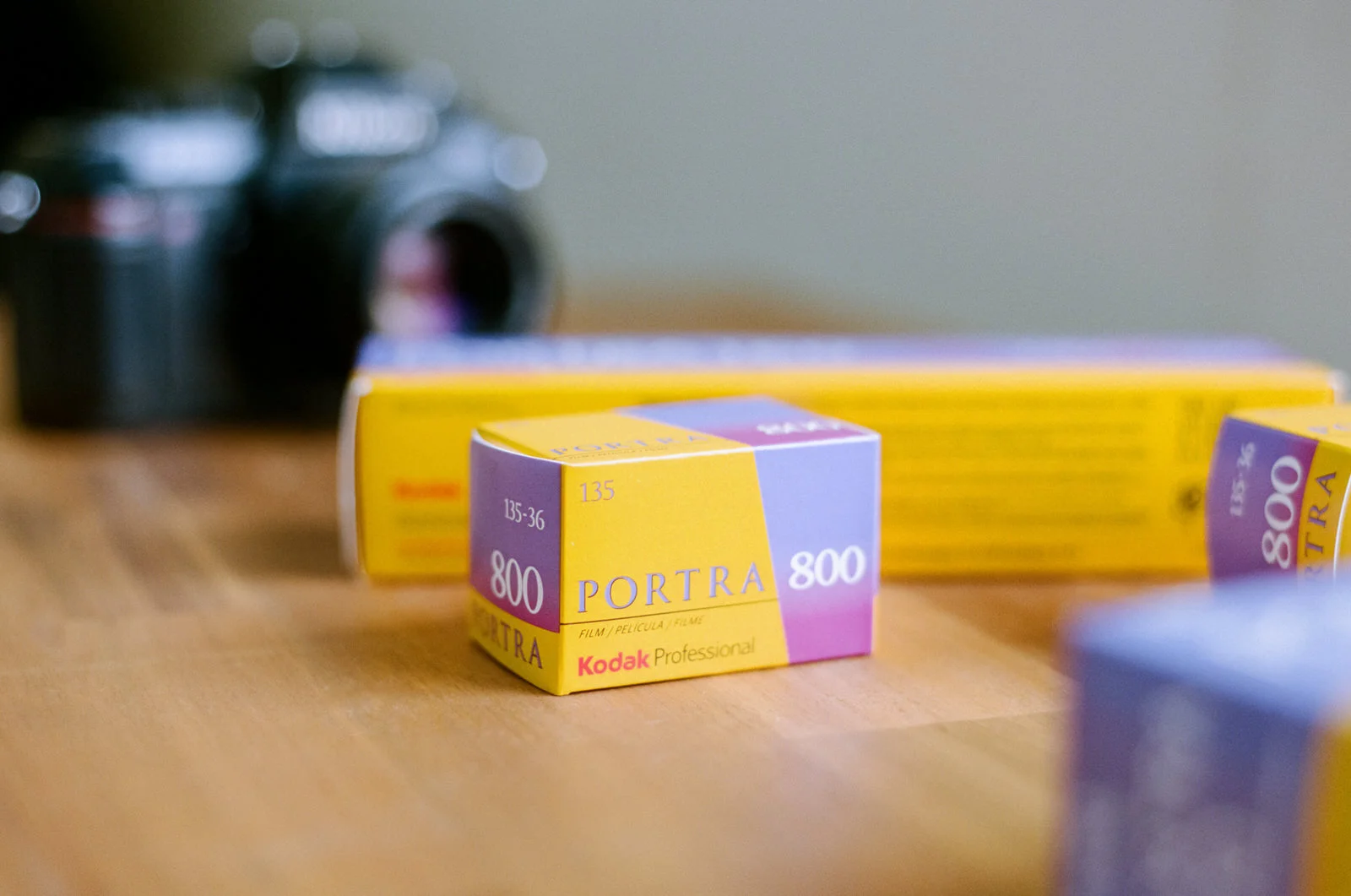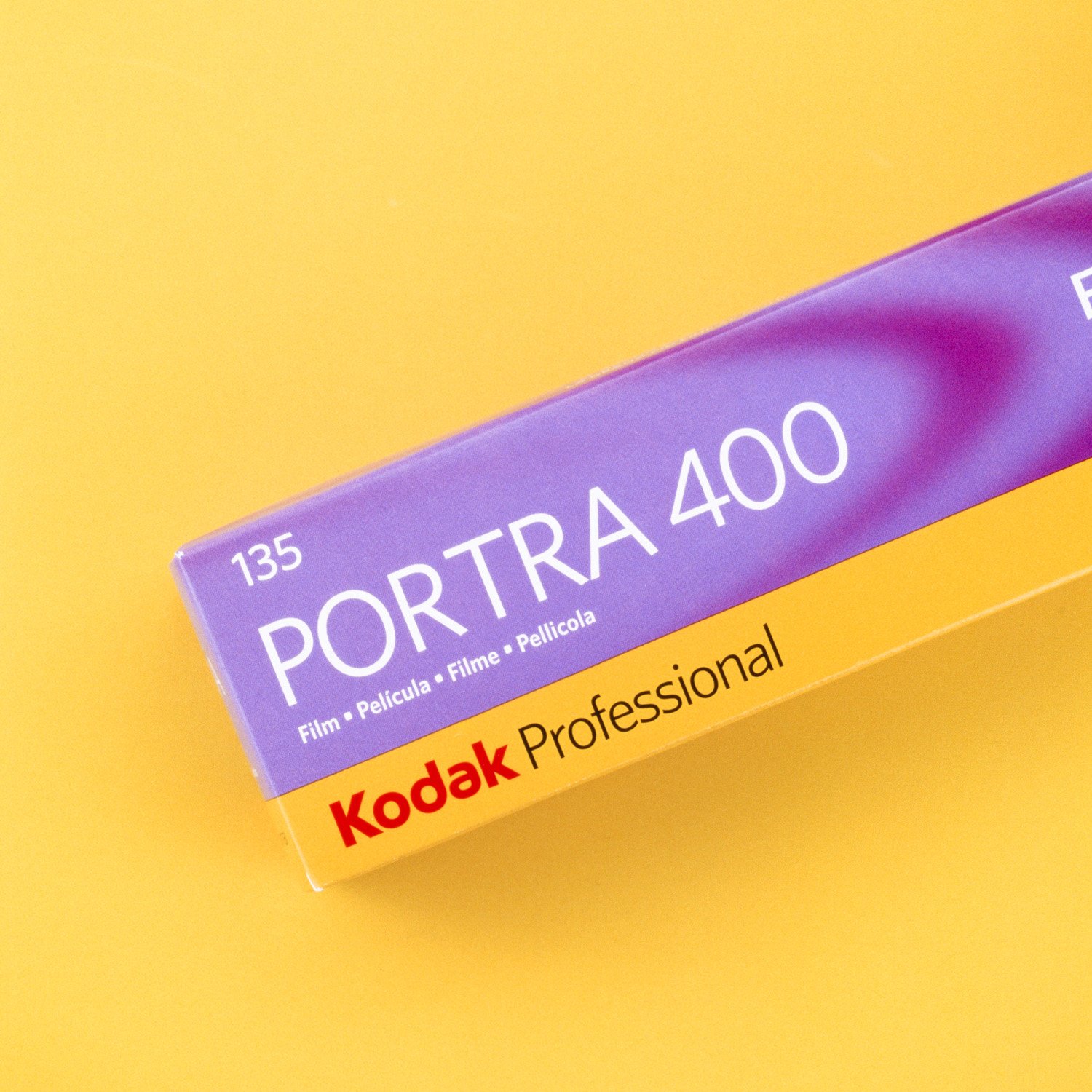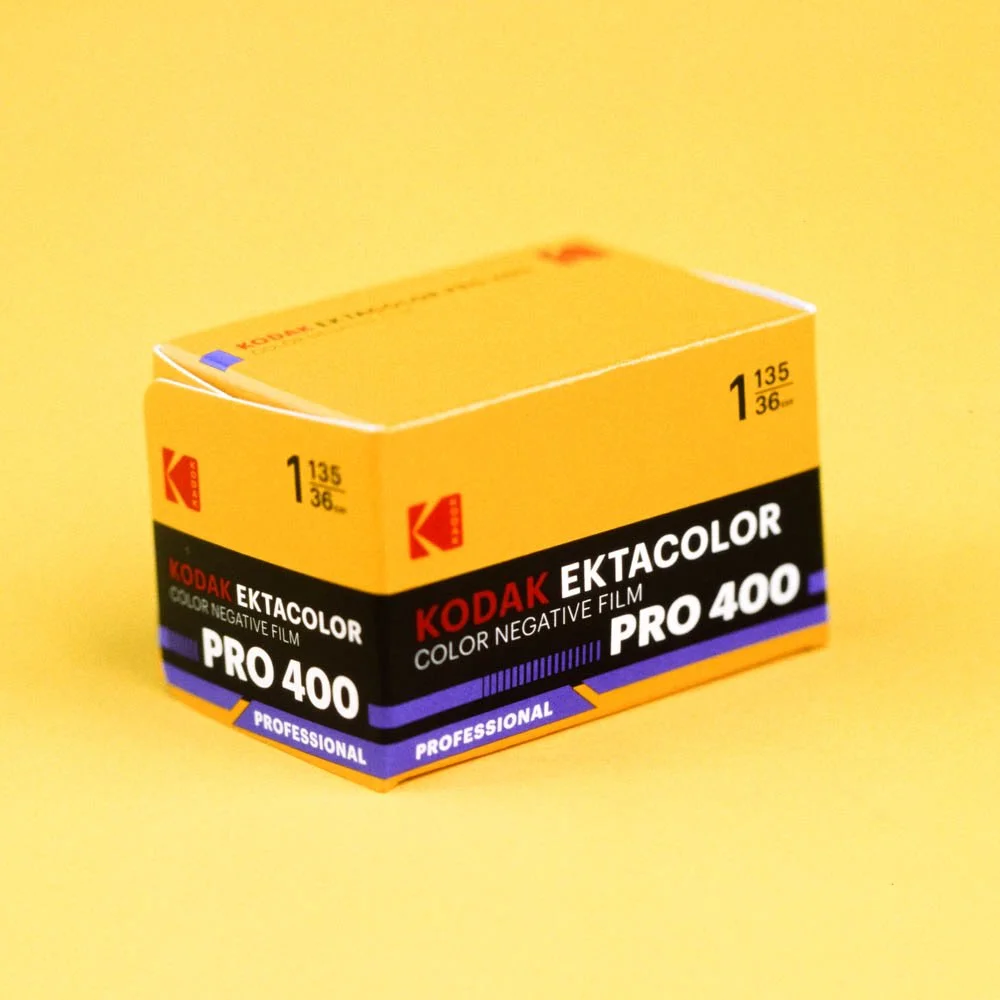
Kodak Portra 800 - 35mm - 36 exp (Ektacolor Pro 800)
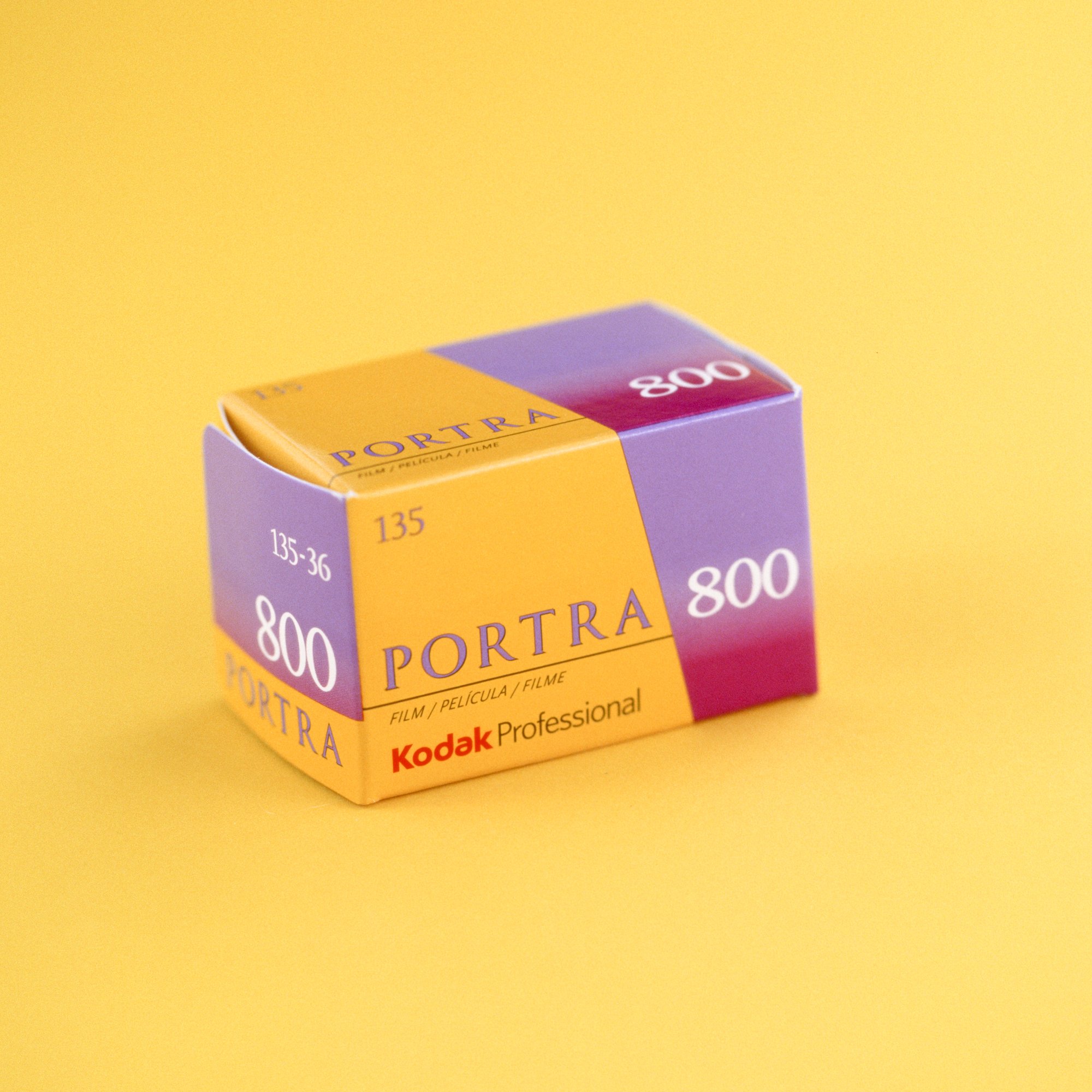
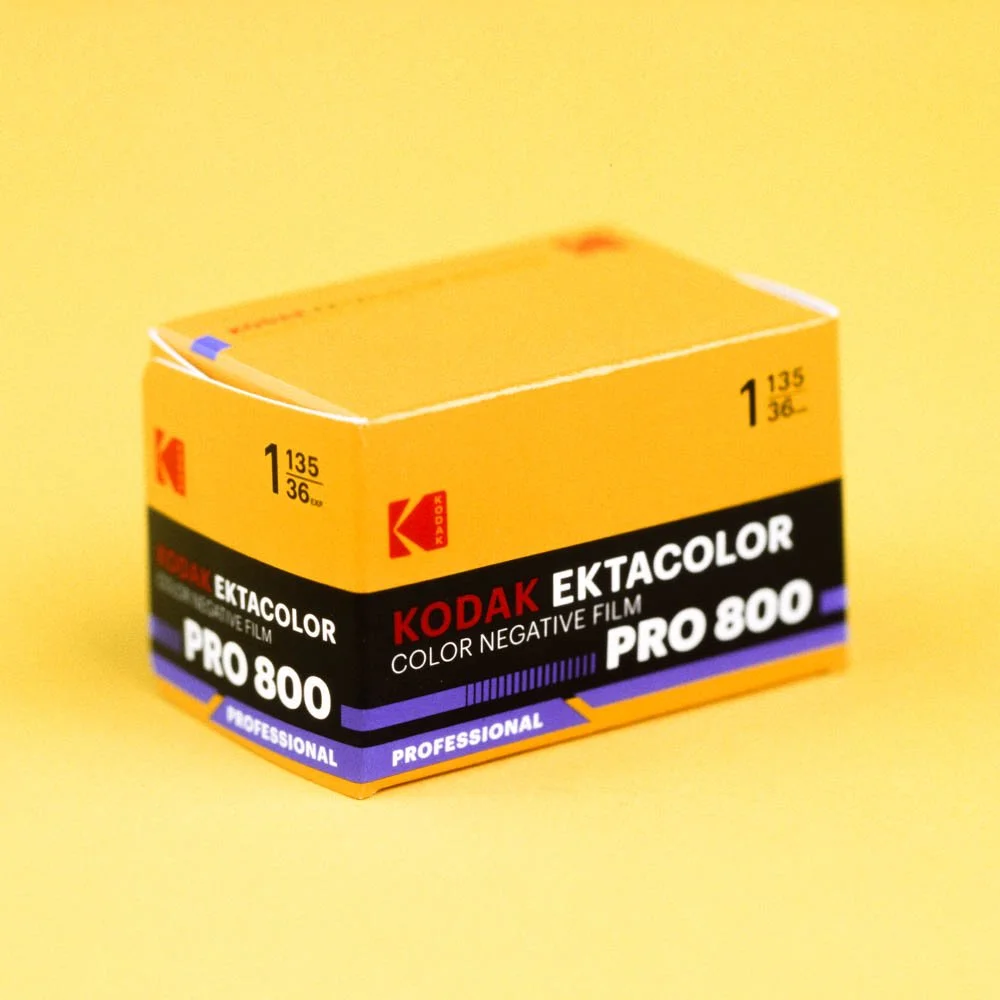

Kodak Portra 800 - 35mm - 36 exp (Ektacolor Pro 800)
Kodak Portra 800/Ektacolor Pro 800 – 35mm colour negative film, 36 exposures
ISO 800 daylight-balanced C-41 process
T-GRAIN emulsion — finest grain structure available at ISO 800
Vivid colour saturation with low contrast and accurate neutral skin tones
Exceptional underexposure latitude — pushes cleanly to ISO 1600
Wide exposure latitude with extended highlight and shadow detail
Rate it at ISO 200 or 400 for best results — Portra 800 loves overexposure, rewarding you with smoother grain, lifted shadows, and luminous skin tones
We shoot ours between ISO 200 and 800 and develop normally
Best for: weddings, events, low-light portraits, indoor shooting, and fast-moving subjects
Kodak Portra 800 35mm Film (Ektacolor Pro 800)
Kodak Portra 800 is the fastest professional colour negative film in production, and in 35mm it's one of the most versatile and widely loved films you can shoot. It has all the qualities that define the Portra family — neutral, accurate colour, skin tones that flatter in any light, a wide latitude that forgives exposure imprecision — at a speed that opens up situations where other films simply can't go.
We shoot our own Portra 800 rated anywhere between ISO 200 and 800 and develop at box speed. Given a stop or two of overexposure it's genuinely stunning — smoother grain, lifted luminous shadows, and skin tones that glow. It's one of those films that rewards experimentation.
FAQ
Is Ektacolor Pro 800 the same as Portra 800?
Yes. Kodak Ektacolor Pro 800 and Portra 800 are the same professional ISO 800 colour negative film stock. Same emulsion, same look, different packaging/name.
Why is Kodak using the Ektacolor name?
Kodak has reintroduced the Ektacolor branding in some markets and commercial channels. The film itself remains the same stock photographers know as Portra 800.
Is Ektacolor Pro 800 a new film?
No. Ektacolor Pro 800 is not a new emulsion or a different colour negative film stock. It is Kodak professional ISO 800 colour negative film, equivalent to Portra 800.
Why photographers love Kodak Portra 800 in 35mm
Portra 800 is the film for when the light is challenging and the moment can't wait. Indoor receptions, backstage environments, golden hour that's fading fast, a subject that won't stop moving — situations where ISO 400 leaves you one stop short and you're not willing to compromise. It handles all of them with the reliable, professional quality that the Portra name guarantees.
The T-GRAIN emulsion keeps grain surprisingly controlled for an ISO 800 film. It's present — more so than Portra 400 — but it's smooth and organic rather than harsh, which suits the natural, documentary style that most Portra 800 photographers are going for. Skin tones are neutral and accurate with a slight warmth that's consistently flattering, and the low contrast rendering holds onto shadow and highlight detail in difficult mixed lighting.
Then there's the overexposure technique. Rate Portra 800 at ISO 400 or 200, develop normally, and the results can be extraordinary — grain softens, shadows lift into a delicate luminosity, and skin takes on a quality that's hard to achieve any other way. It's not a trick; it's the film operating within its very wide latitude and showing you what it's genuinely capable of. Many photographers who shoot it regularly never rate it at box speed at all.
Camera pairings: Contax T2, Nikon F100, Canon EOS-3, Leica M cameras, Olympus Stylus Epic — anywhere you need fast, reliable colour in a camera you trust. For documentary wedding photographers in 35mm, Portra 800 is often the film that stays in the camera from ceremony to reception without ever coming out.
A bit of film history
Portra 800 launched in 1998 as part of Kodak's original Portra lineup alongside the NC and VC variants of Portra 160 and 400. It was reformulated in 2010 into the current unified emulsion — finer grain, better colour accuracy, improved scanning performance — and has remained the only ISO 800 professional colour negative film in production since. The 35mm version is the most widely used format, favoured by documentary photographers, photojournalists, and wedding photographers worldwide for its combination of speed, quality, and forgiveness.
Processing
Kodak Portra 800 requires standard C-41 colour negative processing. We process C-41 in-house at Ikigai Film Lab in Melbourne, with scanning available on our Fujifilm Frontier and Noritsu HS-1800 scanners. If you're pushing to ISO 1600, note your rated ISO on your processing order so we can adjust development time accordingly. If you're rating it at 200 or 400 and developing normally, no special instructions are needed.
Common questions
Should I rate Portra 800 at box speed?
You don't have to — and many photographers don't. Rating it at ISO 400 or ISO 200 and developing normally (deliberately overexposing by one to two stops) is one of the most popular ways to use this film. The results are softer grain, more luminous shadows, and particularly beautiful skin tones. We shoot ours between ISO 200 and 800 depending on the light and the look we're after. At box speed it's a workhorse. Overexposed, it becomes something more special.
Can I push Portra 800 to ISO 1600?
Yes — pushing one stop to ISO 1600 is well supported and widely used. Contrast and grain increase modestly but quality remains professional, with good shadow detail and accurate colour. Always note your rated ISO on your processing order so development time can be adjusted. Two-stop pushes to ISO 3200 are possible in extreme situations — results become grainier and more contrasty, but can work well for moody documentary shooting.
How does Portra 800 35mm compare to Portra 400 35mm?
Same Portra DNA — neutral colour, wide latitude, excellent skin tones — but 800 gives you an extra stop of speed and a more open, lower-contrast rendering. Grain is more visible in 800, but handled gracefully by the T-GRAIN emulsion. In good light, Portra 400 is the cleaner option. When light is limited or subjects are moving fast, Portra 800 is the right choice.
Is Portra 800 good for point-and-shoot cameras?
Yes — it's one of the best films for point-and-shoots in variable or low light. The ISO 800 speed gives auto-exposure systems plenty to work with, the wide latitude compensates for any metering imprecision, and the colour and skin tone quality puts it a significant step above faster consumer films. For a Contax T2, Olympus Stylus, or similar camera at an indoor event, Portra 800 is hard to beat.
How does Portra 800 35mm compare to the 120 version?
Same emulsion, different format. The 120 version gives you a larger negative — more detail, smoother apparent grain, better performance at the scanning and printing stage. The 35mm version gives you 36 exposures per roll and suits a wider range of cameras. If you have a medium format system, the 120 version is the more capable option. For 35mm cameras, the 35mm version delivers everything Portra 800 is known for.