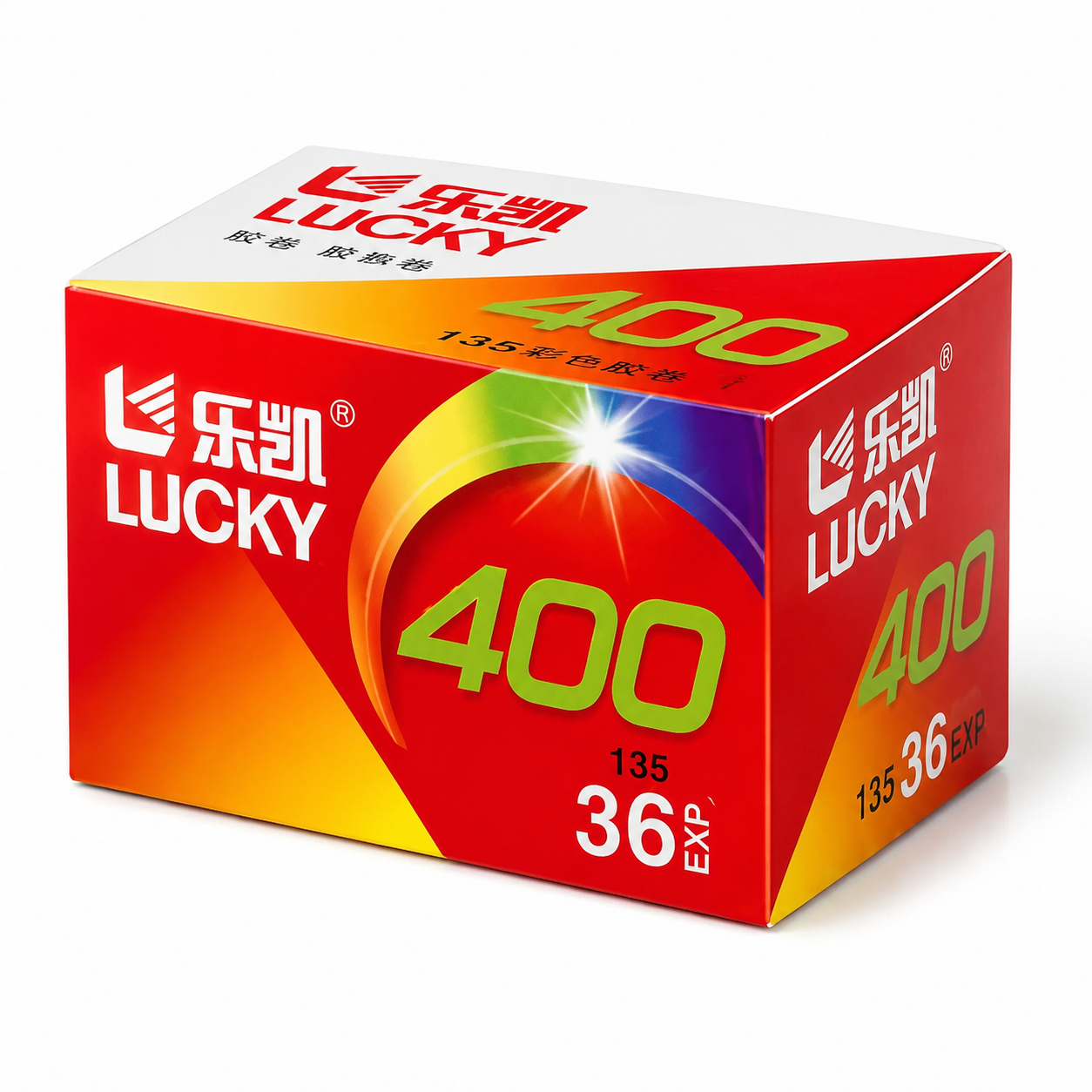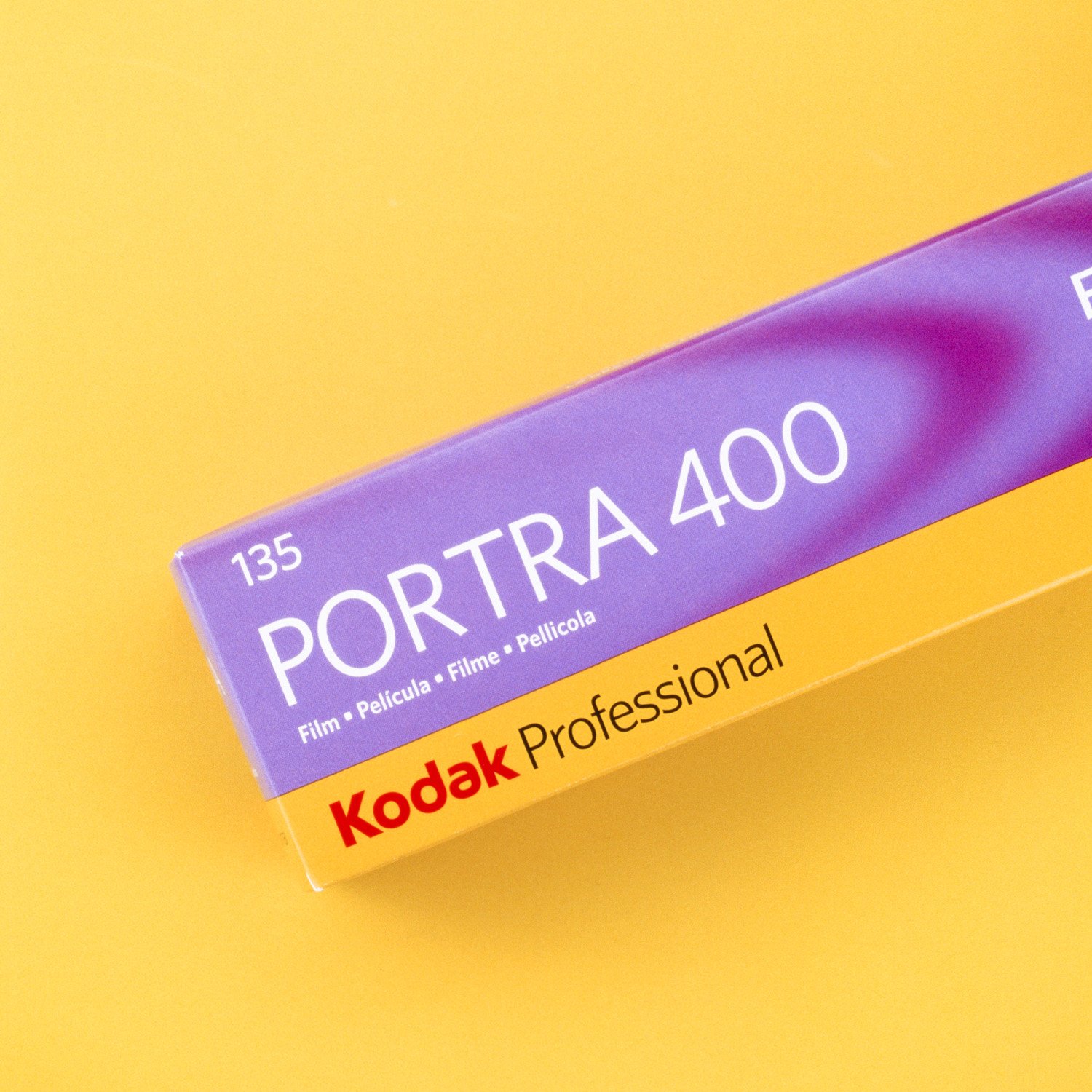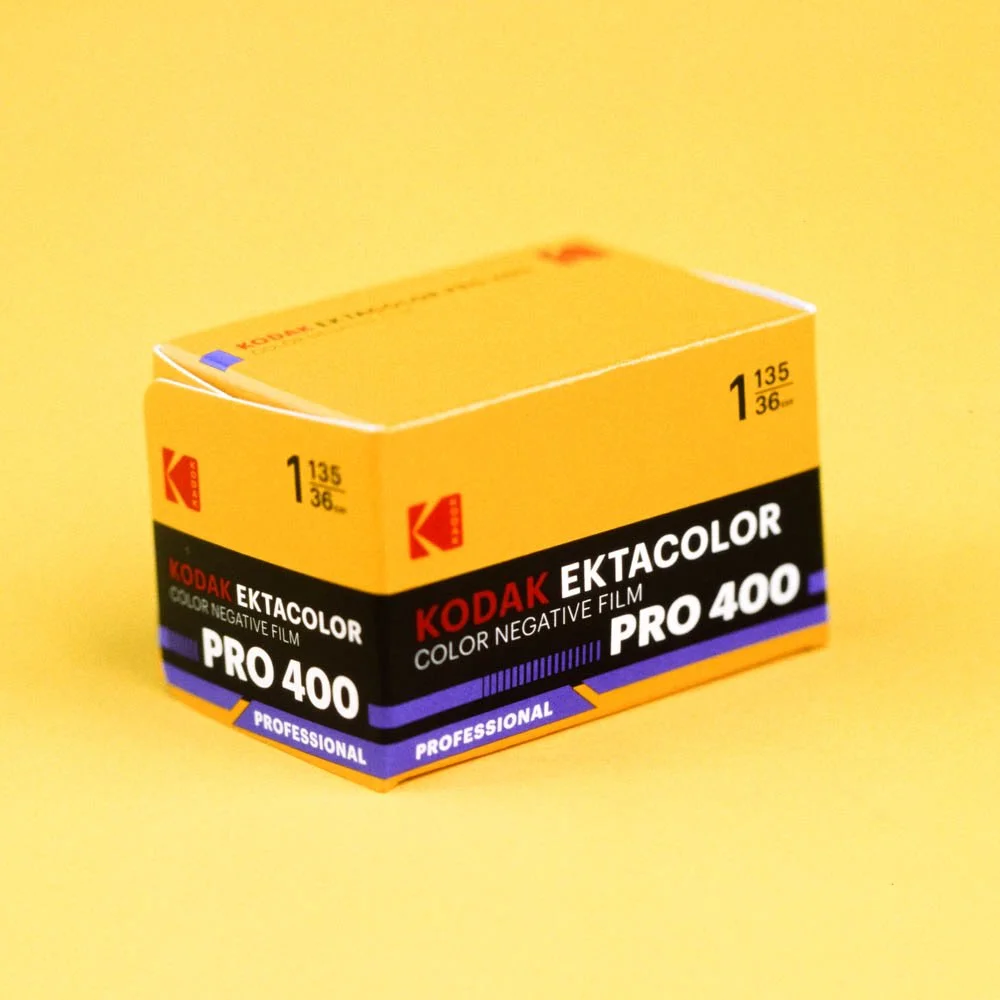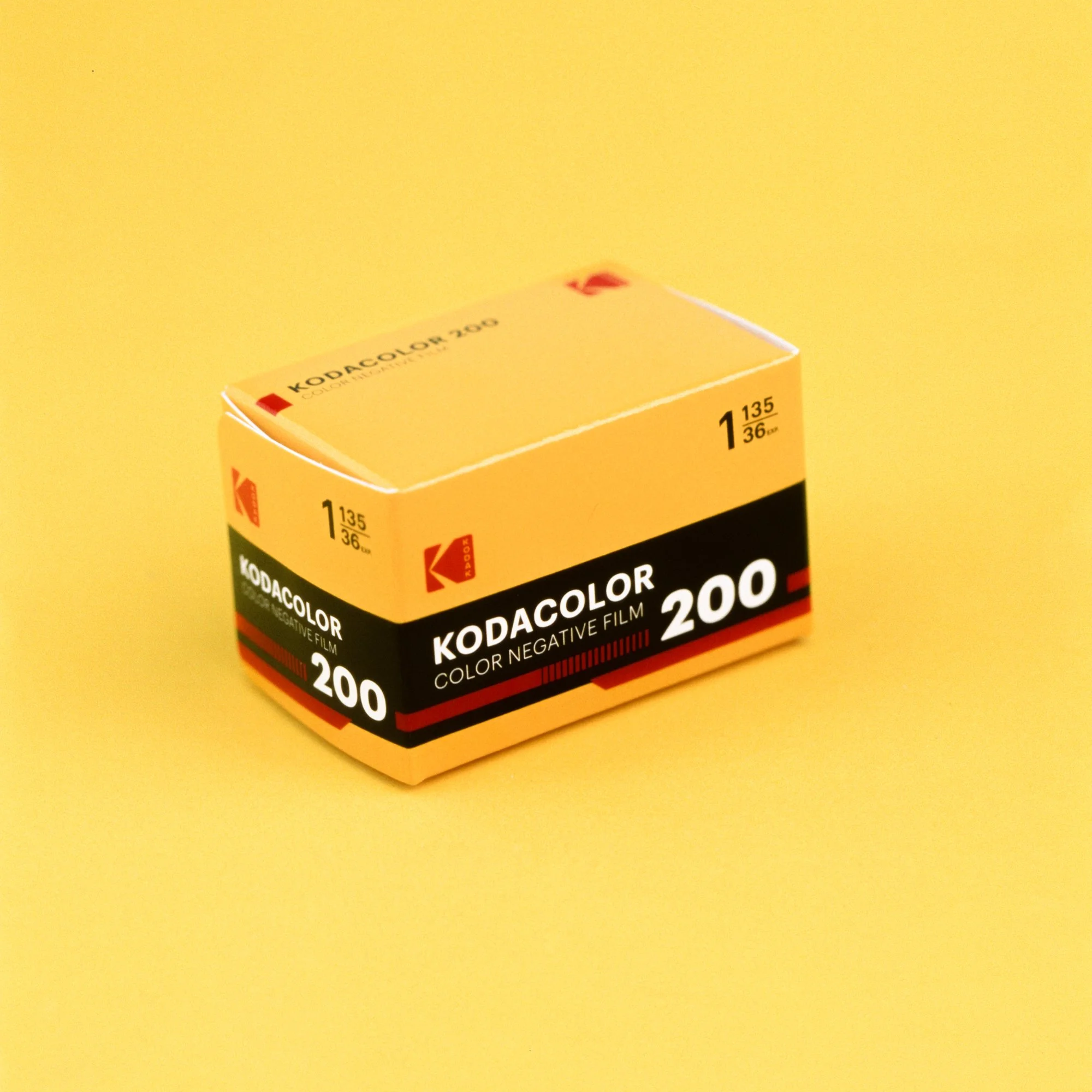
Kodak GOLD 200 - 35mm - 36 exp
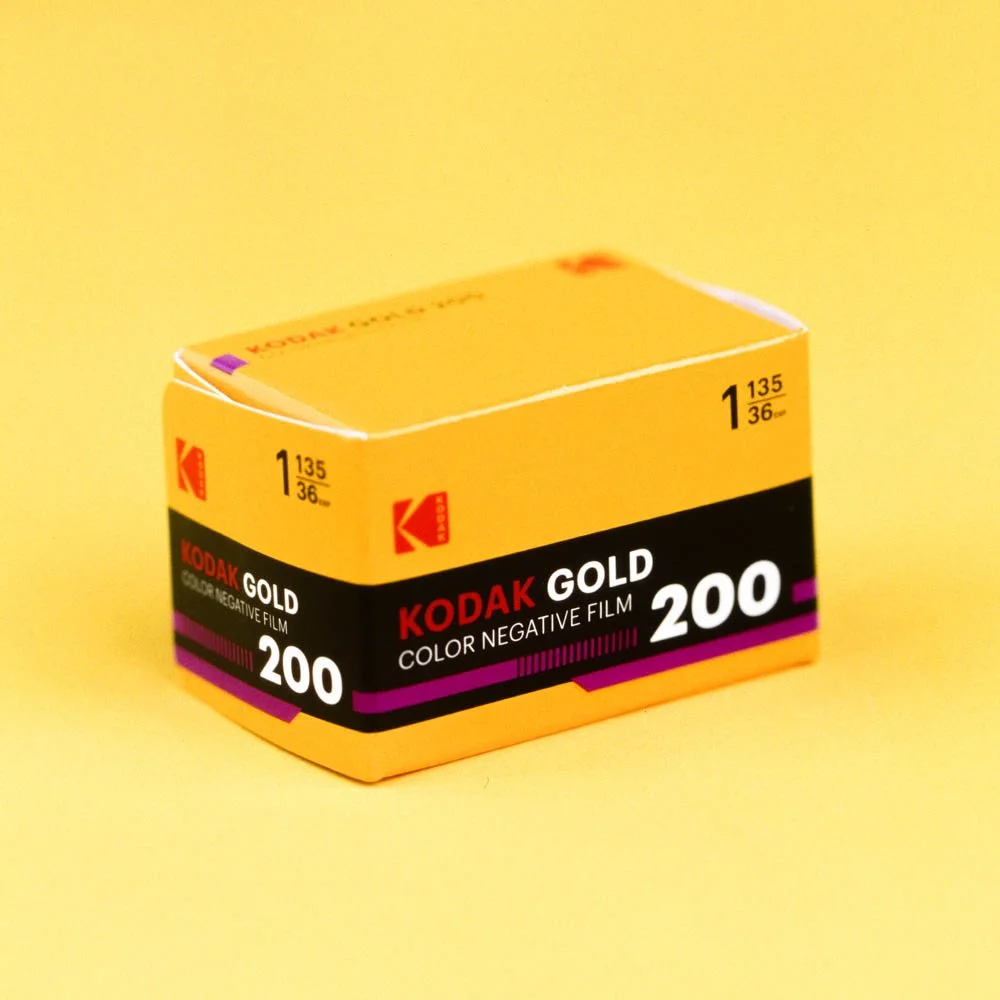
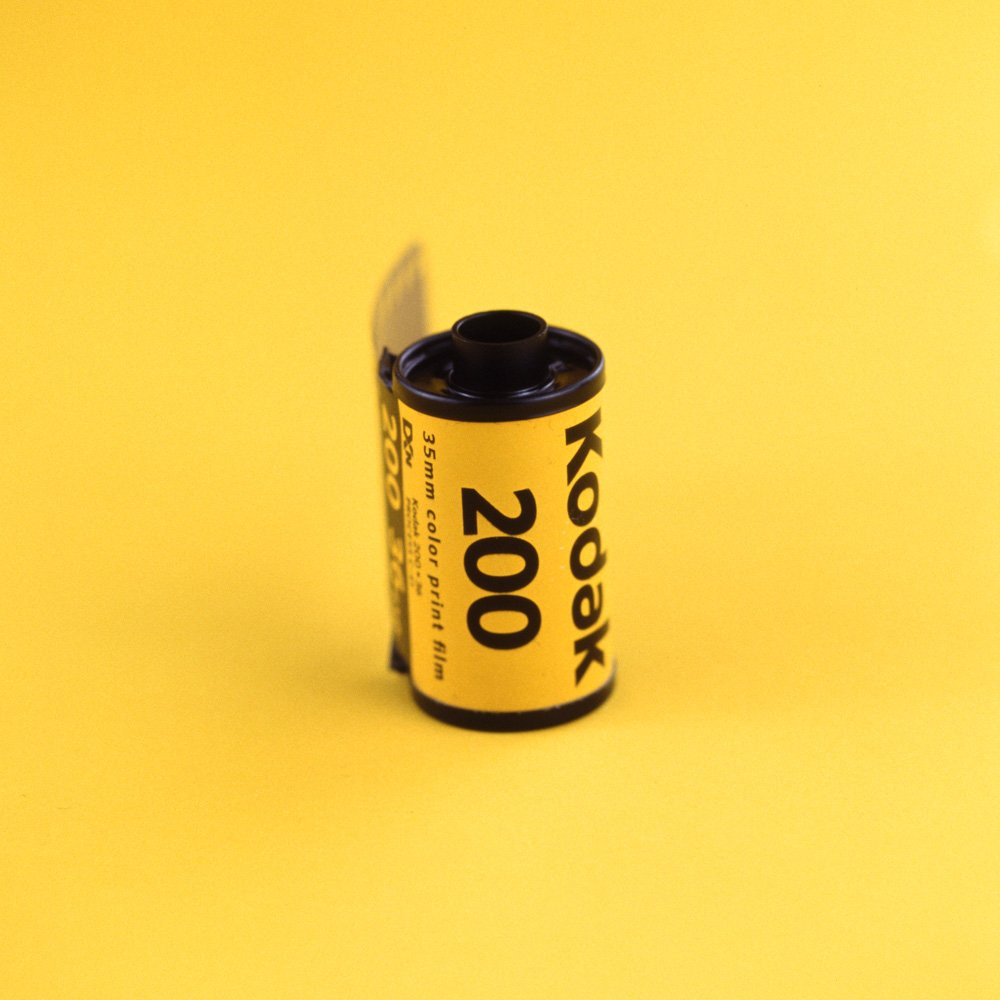
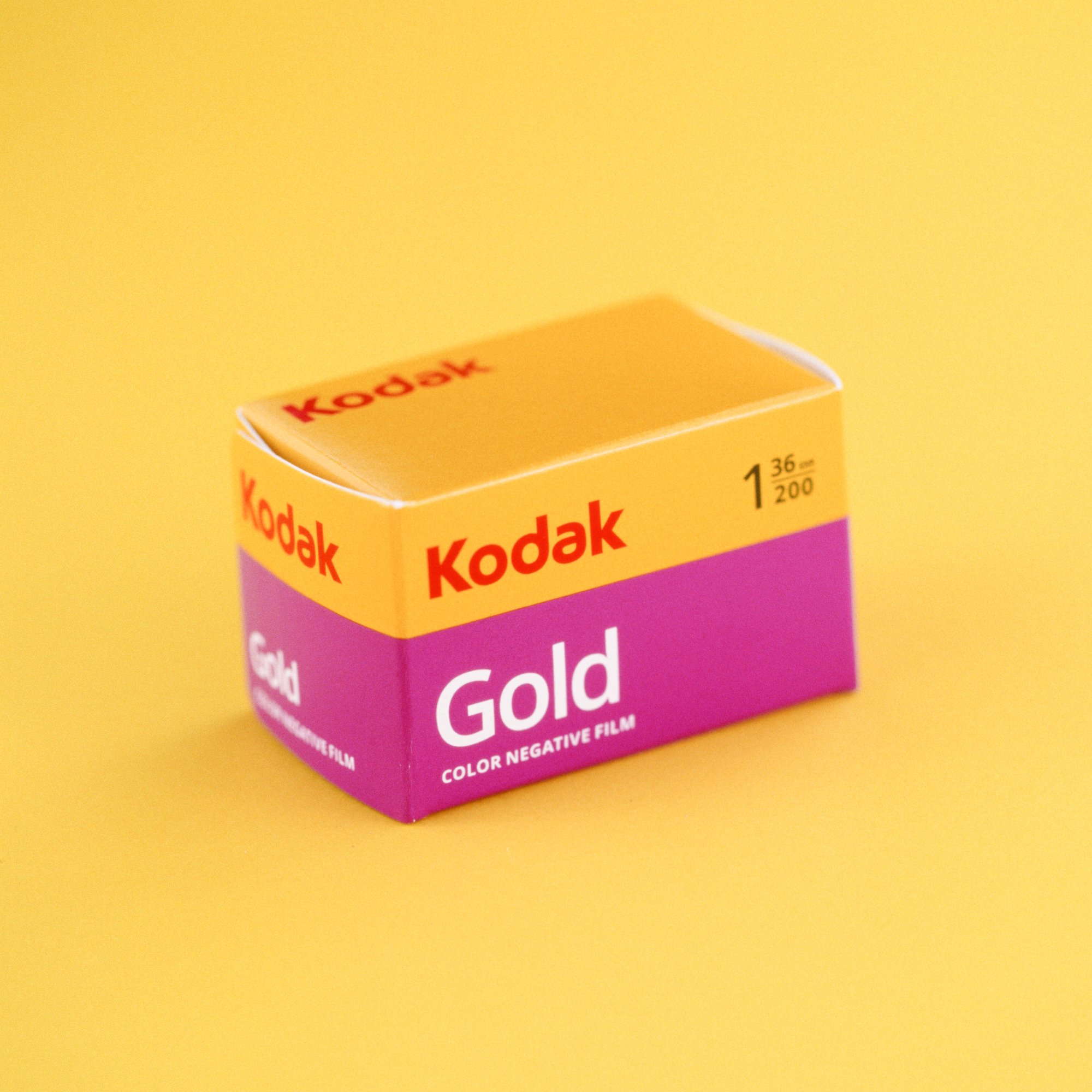
Kodak GOLD 200 - 35mm - 36 exp
Kodak Gold 200 – 35mm colour negative film, 36 exposures
ISO 200 daylight-balanced C-41 process
Fine grain with rich, warm colour saturation
Wide exposure latitude — up to 2 stops under, 3 stops over
High sharpness — well suited to scanning and enlargement
Classic Kodak warm colour palette — timeless, nostalgic look
Best for: portraits, travel, everyday shooting, and outdoor photography
Kodak Gold 200 35mm Film (C-41)
Kodak Gold 200 is one of the most recognisable and beloved colour negative films in the world. Warm, rich, and consistently flattering, it's been the film of choice for everyday photographers for decades — and for good reason. If you've ever looked through an old family photo album and noticed that golden, sun-kissed glow, there's a good chance Gold 200 was responsible.
At ISO 200 it sits in a sweet spot for outdoor shooting — fine enough grain for sharp, clean scans, and fast enough to handle overcast days and open shade without issue. One roll, 36 exposures.
Why photographers love Kodak Gold 200
Gold 200 has a warmth and character that's immediately recognisable. Skin tones glow, greens lean warm and lush, blues are vivid without feeling cold. It's not a neutral film — it has a point of view, and that point of view is that everything looks better with a little extra warmth.
The wide exposure latitude is one of its best practical qualities. You can push it two stops under or pull three stops over and still come away with printable, scannable negatives — which makes it one of the more forgiving films to shoot, especially for beginners or photographers using auto-exposure point-and-shoots. The Canon Sure Shot, Olympus Stylus, Nikon L35AF, and Contax T2 all suit Gold 200 well, as do SLRs like the Canon AE-1, Nikon FM2, and Pentax K1000.
The fine grain structure also means it scans cleanly and holds up well to enlargement, making it more capable than its consumer price tag might suggest.
A bit of film history
Kodak Gold has been a fixture of consumer film photography since the 1980s, going through various iterations and name changes before settling into the current Gold 200 emulsion. It's the film that filled millions of family photo albums, documented countless holidays and milestones, and defined what colour film looked like for an entire generation. The current emulsion has been refined over the decades but retains the warm, inviting character that made it iconic.
Processing
Kodak Gold 200 requires standard C-41 colour negative processing. We process C-41 in-house at Ikigai Film Lab in Melbourne, with scanning available on our Fujifilm Frontier and Noritsu HS-1800 scanners.
Common questions
How does Kodak Gold 200 compare to Kodak ColorPlus?
Very similar films — both are ISO 200 Kodak consumer colour negatives with a warm palette. Gold 200 generally has slightly finer grain and more consistent colour rendering. ColorPlus is cheaper and can render slightly warmer. For most photographers the difference is subtle, but Gold 200 is the more polished option and worth the small price difference if image quality matters.
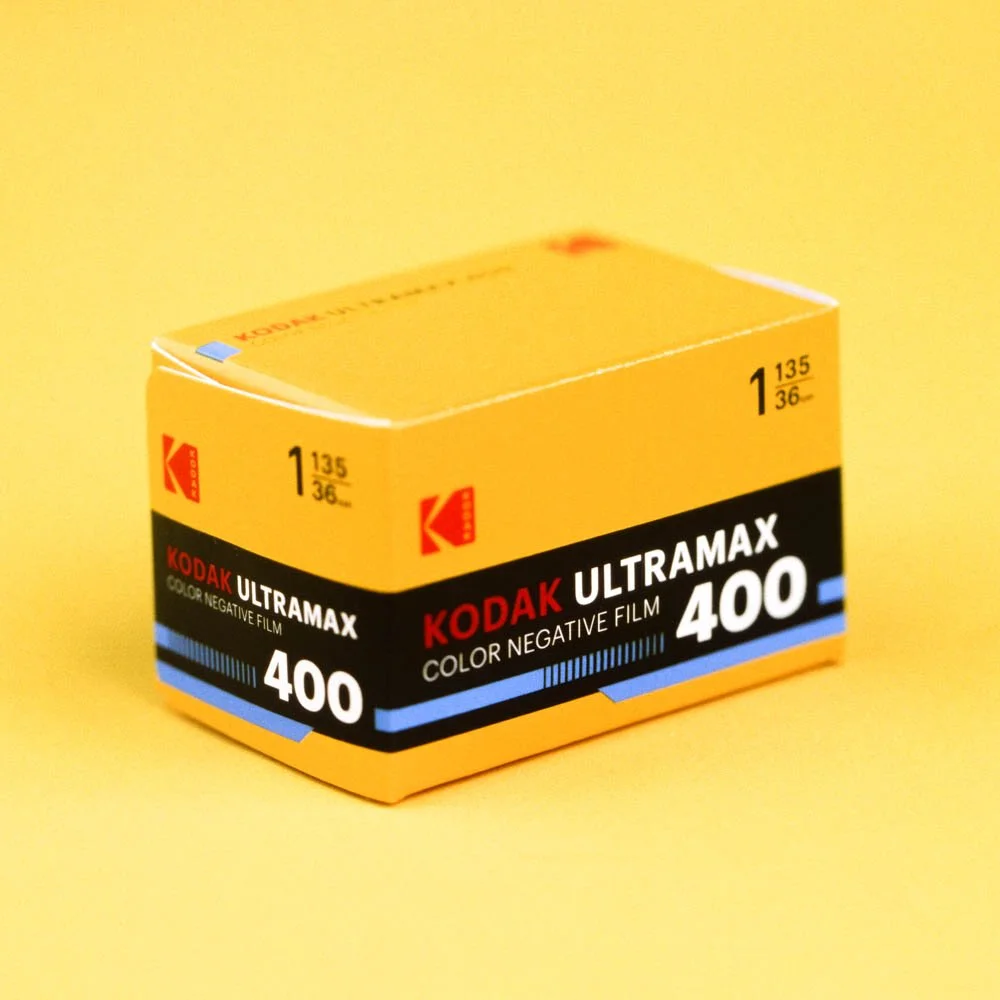
How does Gold 200 compare to Kodak Ultramax 400?
Both have the classic warm Kodak colour signature, but Gold 200 is slower with finer grain and a slightly more refined look for good-light shooting. Ultramax 400 gives you two extra stops of speed and a more vivid, punchy character. If you're shooting outdoors in consistent daylight, Gold 200 is the cleaner option. For mixed lighting or point-and-shoot versatility, Ultramax 400 is the better pick.
Can I push Kodak Gold 200?
You can push it one stop to ISO 400 and get acceptable results — grain will increase noticeably but the colour remains pleasant. It's not a film designed for pushing though; if you regularly need ISO 400, Ultramax 400 or Portra 400 are better choices. Gold 200 performs at its best shot at box speed in good light.
Is Kodak Gold 200 good for portraits?
Yes — the warm palette is very flattering on skin tones, particularly for people with lighter complexions. It has a different character to Portra 160 or Portra 400, which are more neutral and precise, but many portrait photographers love the golden, nostalgic quality Gold 200 brings to their work.