Film Container Recycling Program ♻️
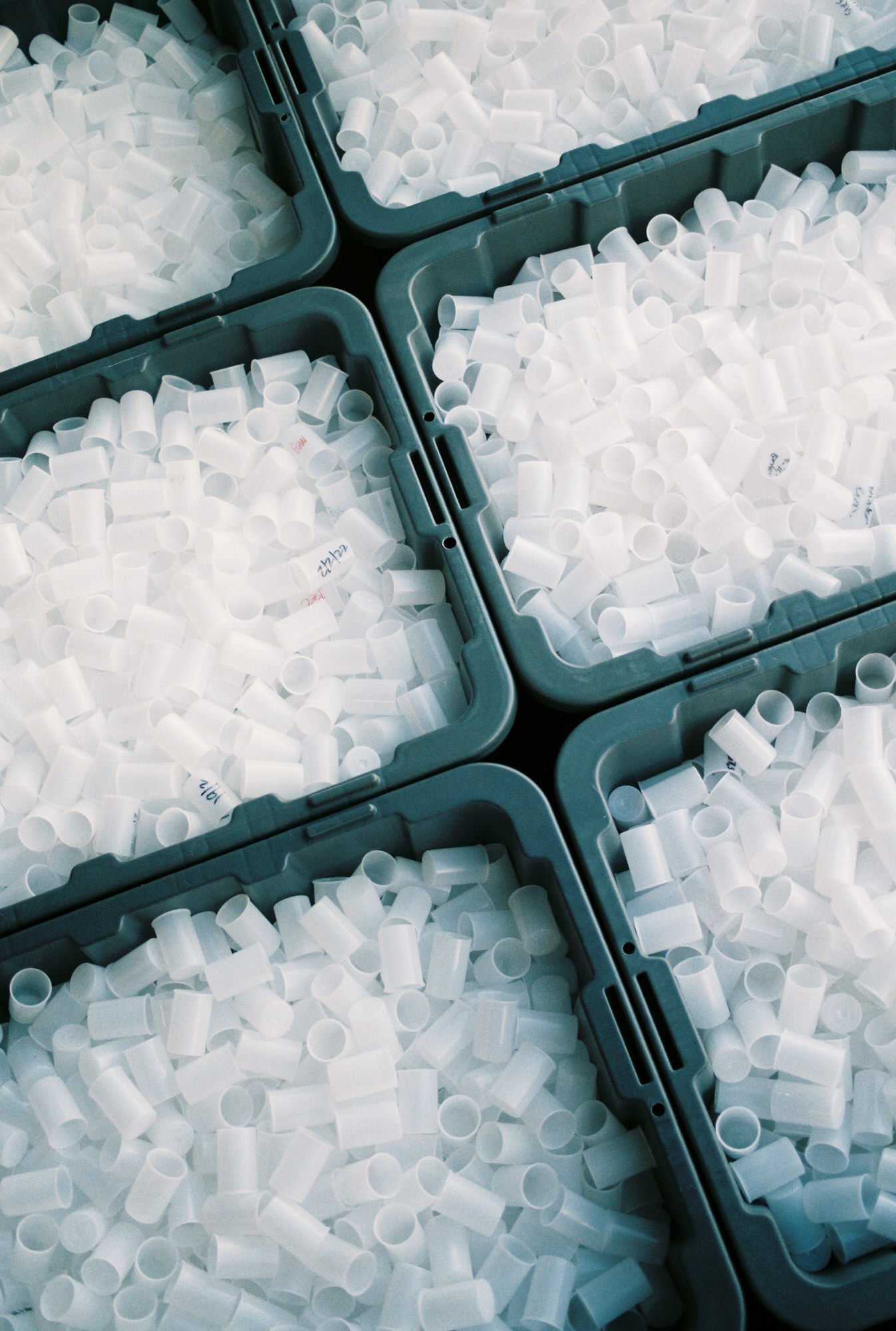
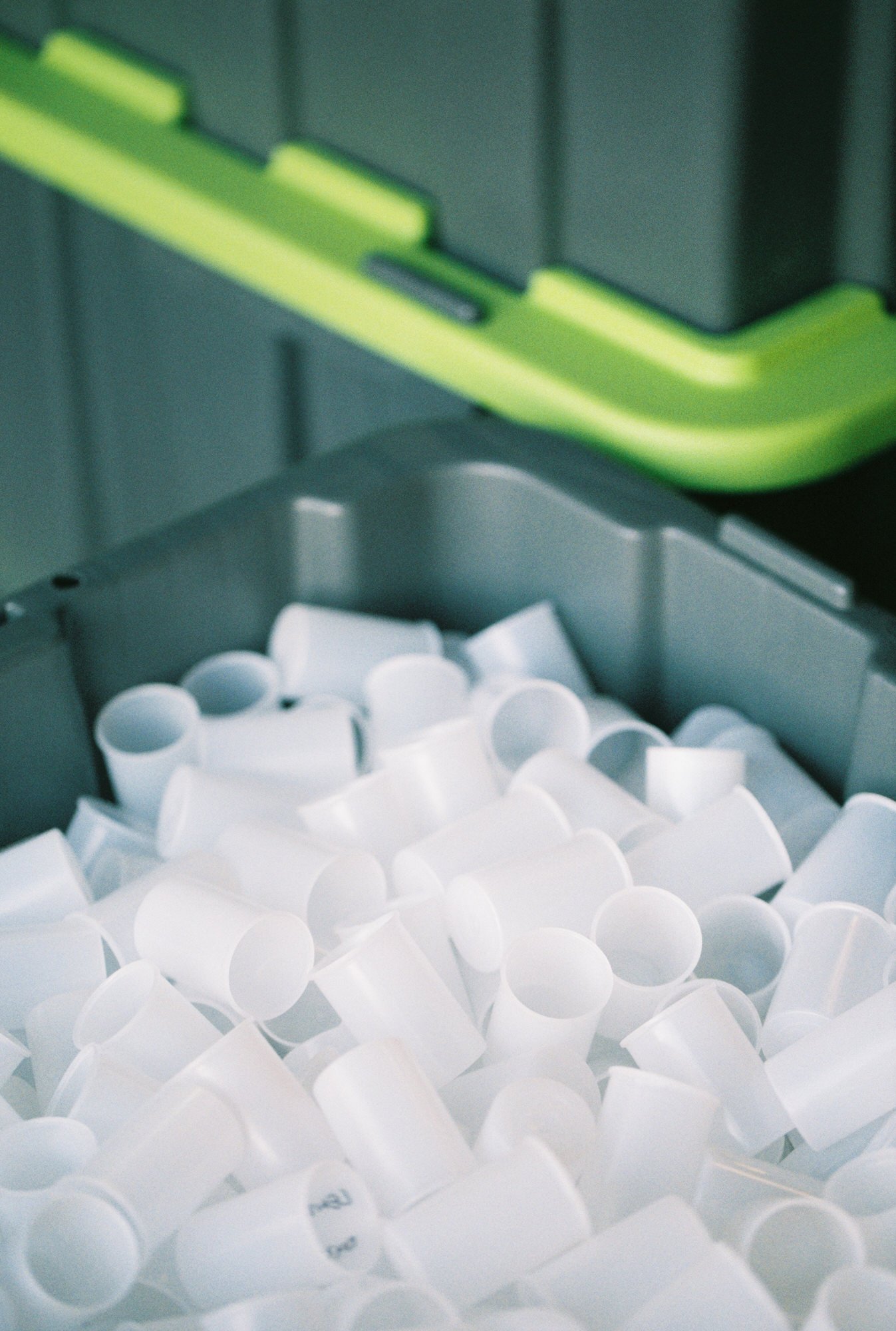
Since 2022, Ikigai Film Lab has been running Australia’s first film community recycling initiative for 35mm film containers, lids and related plastic waste.
The program is completely free for any Australian lab or film shooter to be involved in.
What started as a small in-house project has grown into a long-term effort focused on reducing the amount of film-related plastic ending up in landfill, while building practical ways to reuse and repurpose it.
Why we started this
Film photography creates a huge amount of plastic waste, especially from film containers and lids.
The reality is that most local councils and traditional recycling systems do not properly process these plastics due to their small size, meaning the vast majority ultimately end up in landfill, even when placed in household recycling bins.
That means any lab or film shooter not actively separating and diverting these materials is effectively sending them straight to landfill.
We started this initiative in 2022 to create a practical alternative for the Australian film community, one that actually keeps these plastics in circulation instead of the waste stream.
How the program works
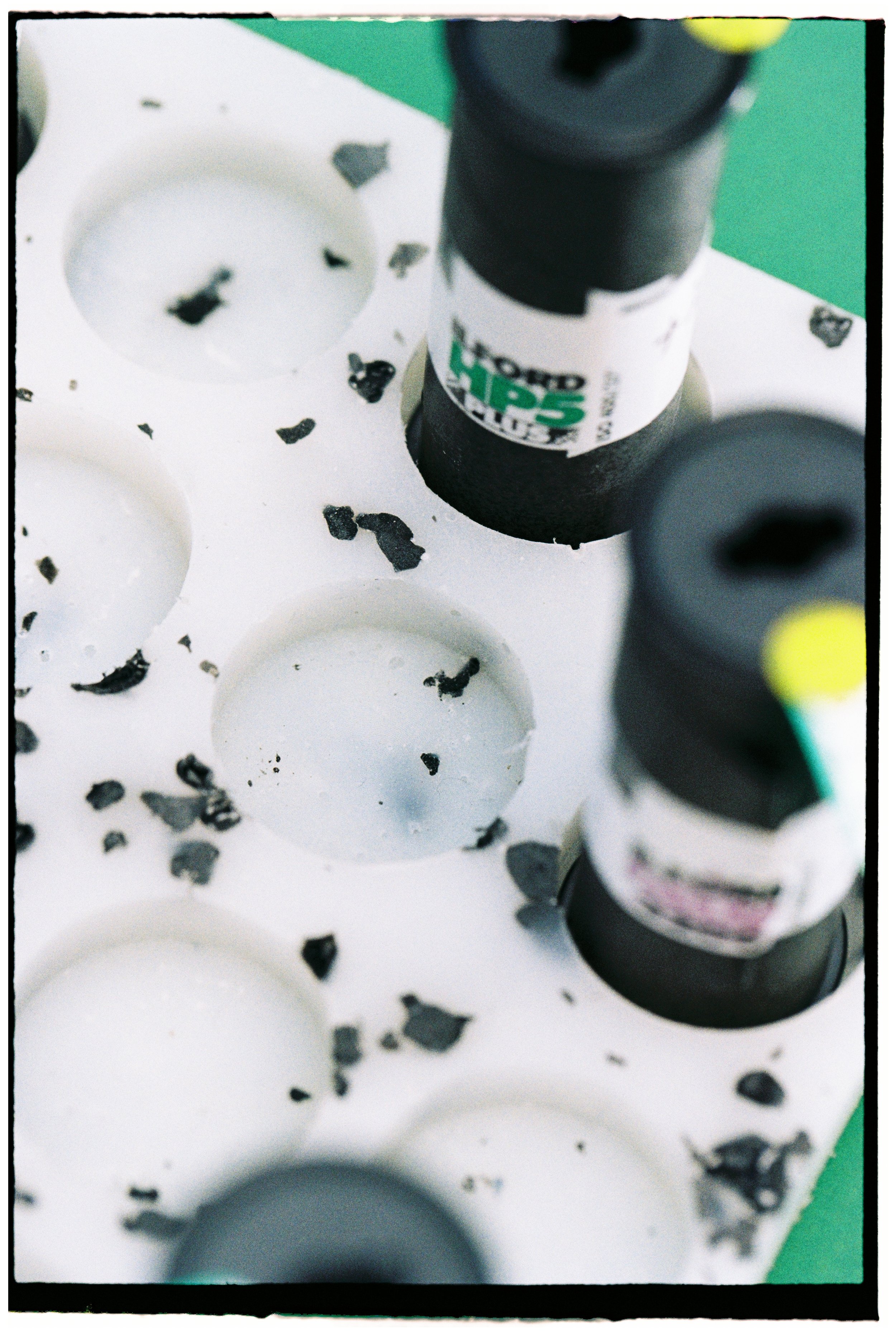
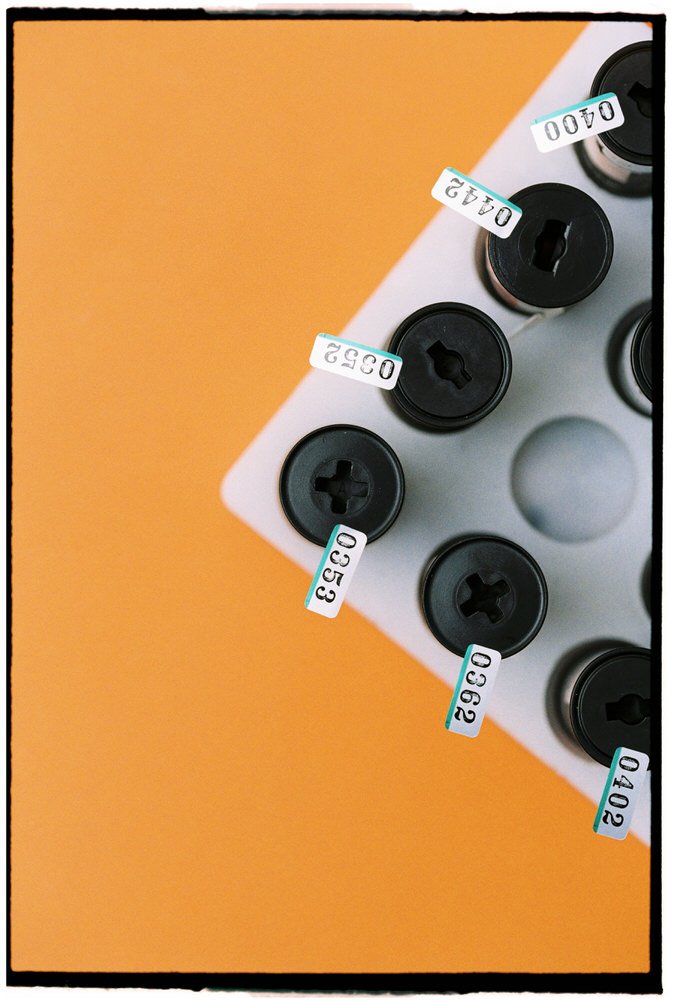
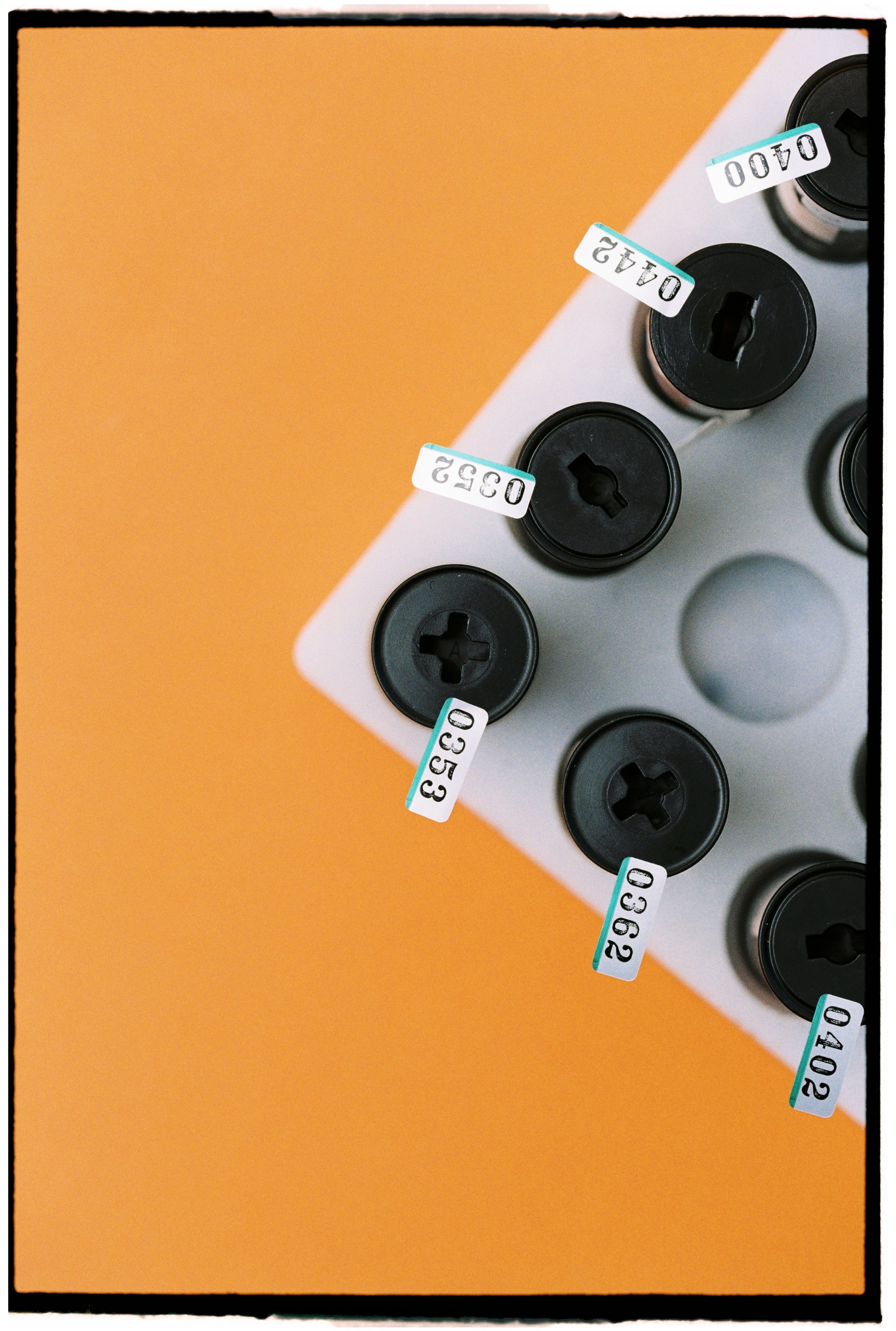
We collect and separate plastics by type and colour, including HDPE, LDPE and PP plastics commonly used throughout the film industry.
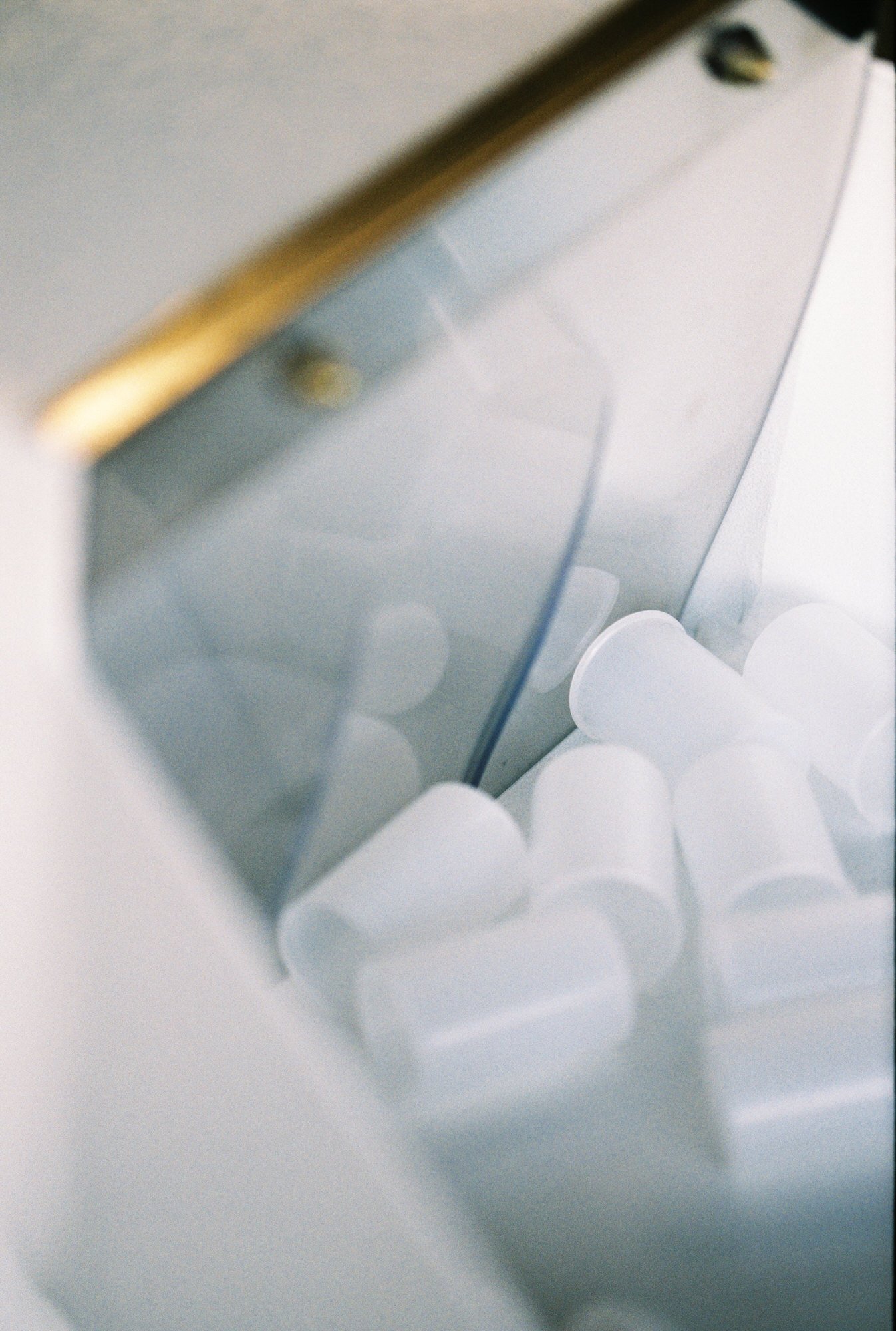
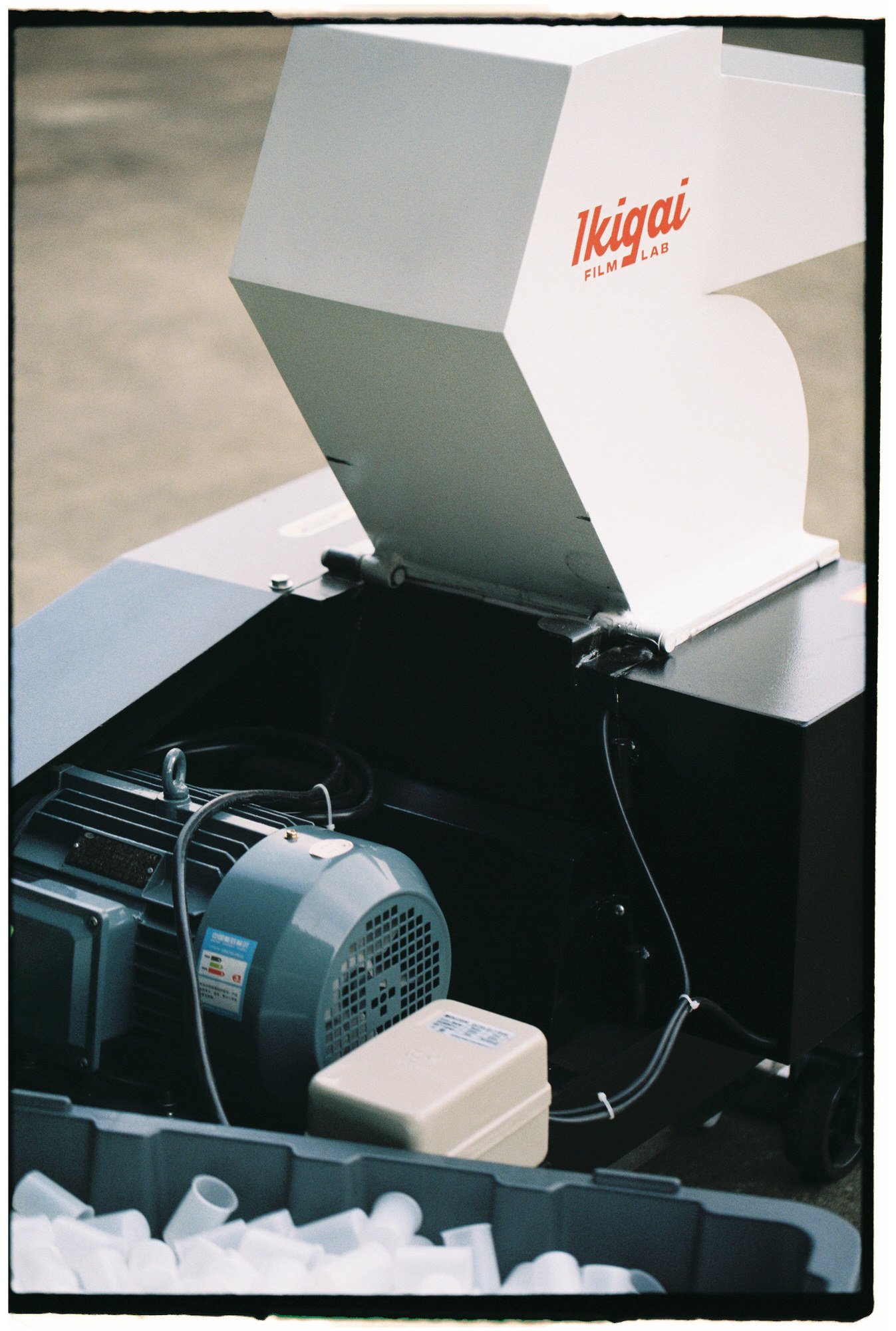
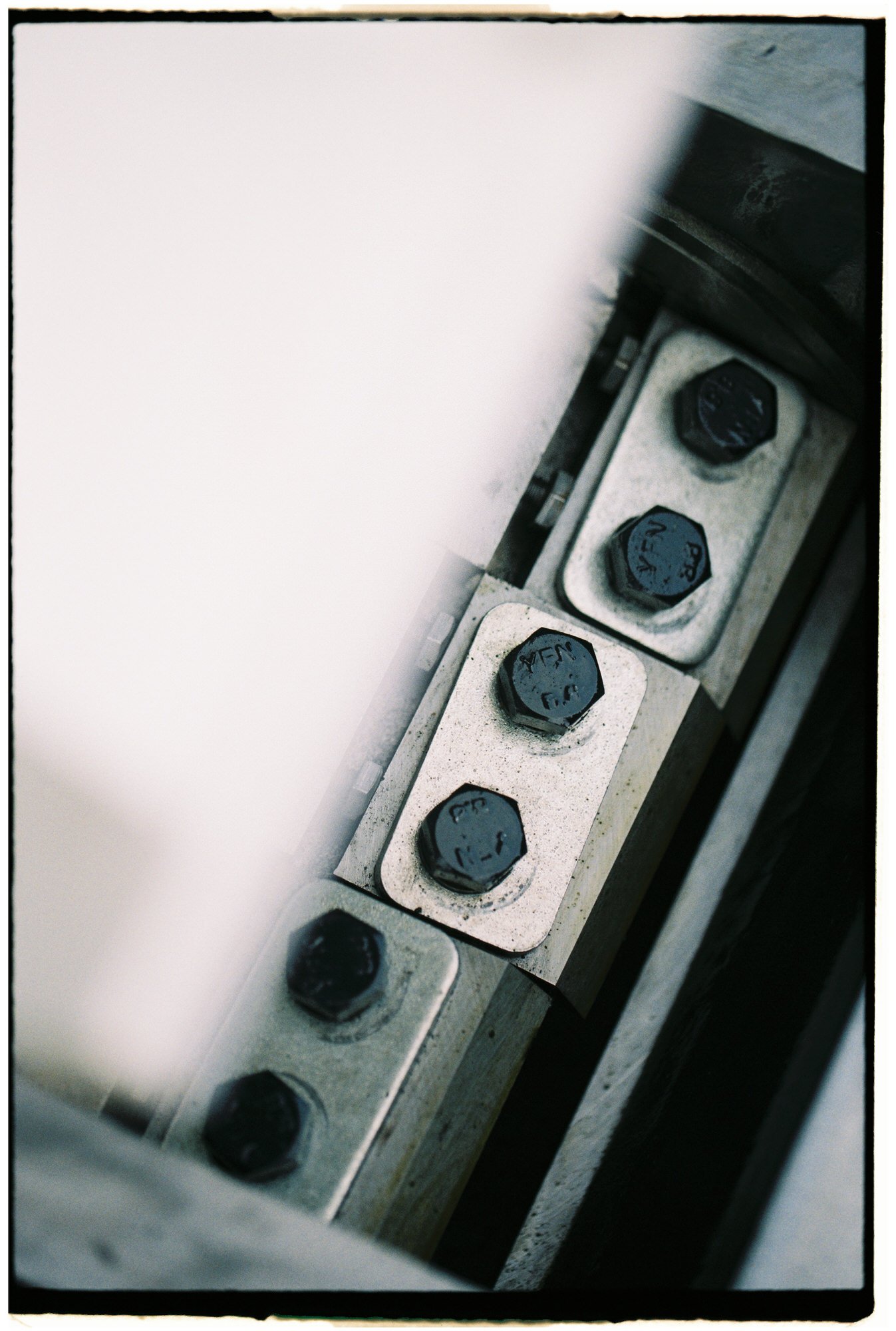
Every part of the process, from sorting and shredding through to injection moulding, is handled in-house at our Melbourne lab.
Our recycling operations are also fully offset by solar power.
100% of the containers and plastics we receive through the program are recycled, repurposed and removed from the traditional waste stream.
Community support
A huge thank you to all the labs and photographers who’ve actively contributed to the initiative since the beginning.
This project only works because people consistently choose to save, sort and send these materials instead of throwing them away.
Want to get involved?
The program has been open to all Australian film shooters, labs and stores for zero cost since 2022.
If you’d like to contribute film plastics or learn more about the initiative, get in touch with us.
Partner Labs
The following labs are helping to minimise their impact by sending in containers
FAQ
What plastics do you recycle?
We currently recycle plastic 35mm film containers and lids through the program.
These plastics are separated, shredded and repurposed in-house at our Melbourne lab.
We also collect 120 spindles, however we are not yet actively recycling them due to the type of plastic used.
Can film canisters go in household recycling bins?
While many councils technically accept HDPE plastics in yellow bins, the reality is more complicated for film containers and lids.
Most industrial recycling facilities are unable to effectively process plastics smaller than a credit card, meaning many film canisters still end up in landfill even when placed in household recycling.
By separating and recycling these plastics directly through our program, we can ensure 100% of the material received is actually recycled and repurposed instead of entering the traditional waste stream.
Why can’t film canisters be reliably recycled through traditional recycling systems?
Film canisters and lids are often too small for industrial sorting machinery used in large-scale recycling facilities.
Because of this, many small plastics either fail to be sorted correctly or are removed from the recycling stream entirely.
What types of film canisters do you accept?
We accept most standard 35mm film canisters and lids used throughout the film photography industry, including HDPE and LDPE containers.
Can Australian film labs join the program?
Yes.
Any Australian lab is welcome to participate and involvement has remained completely free since the program launched in 2022.
Is the program free?
Yes.
The recycling initiative is completely free for Australian film shooters, labs and stores to participate in.
Where is the recycling processed?
The recycling initiative is operated entirely in-house from our Melbourne film lab in Williamstown North, Victoria.
What happens to the recycled plastic?
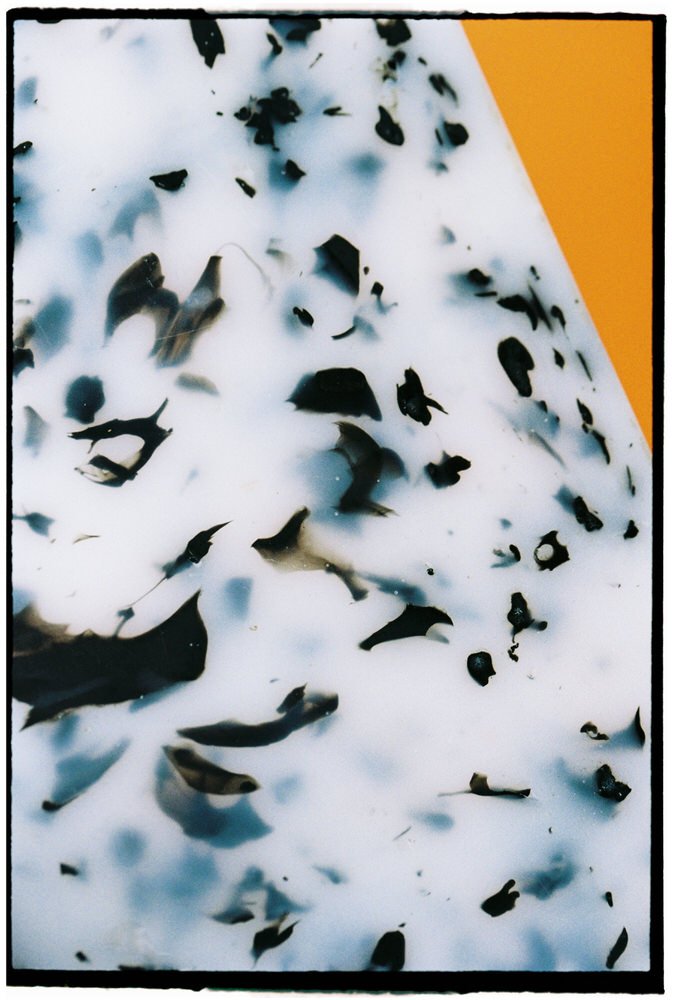
The plastic is sorted, shredded into flakes and repurposed into new products and tools instead of being sent to landfill.
Why did Ikigai Film Lab start this initiative?
We started the initiative after realising that most film canisters placed into traditional recycling systems were still ending up in landfill due to their size and the limitations of industrial recycling infrastructure.
How long has the recycling initiative been running?
Ikigai Film Lab has been operating the recycling initiative since 2022.
Is this the first film canister recycling program in Australia?
Yes.
The initiative was started by Ikigai Film Lab in 2022 as Australia’s first dedicated film community recycling program for film canisters and lids.
Are the recycled products recyclable again?
Yes.
One of the advantages of these plastics is that they can be shredded, processed and reused multiple times. Products created through the program can be recycled again at end of life.
Do you accept disposable cameras?
Not currently.
Disposable cameras are significantly more difficult to recycle due to the large number of mixed materials and plastics used in their construction, including polystyrene and acrylic components.
We do not sell disposable cameras due to the amount of waste they generate.
But I've heard disposables are recycled in China?
Some labs claim their disposable cameras are recycled in China.
China implemented major restrictions on importing foreign plastic waste in 2018, which significantly changed the global recycling industry and forced many countries to manage their own waste domestically instead.
As with any environmental claim, it’s important to be mindful of what you’re actually buying, where the waste is going, and whether meaningful recycling is genuinely taking place.
At this stage, there are currently no disposable cameras sold in Australia that we can confidently recommend from an environmental standpoint due to the amount of waste generated and the lack of transparency around recycling claims within the industry.