
Your $100 Reusable Film Camera Is Probably a $10 Disposable Camera
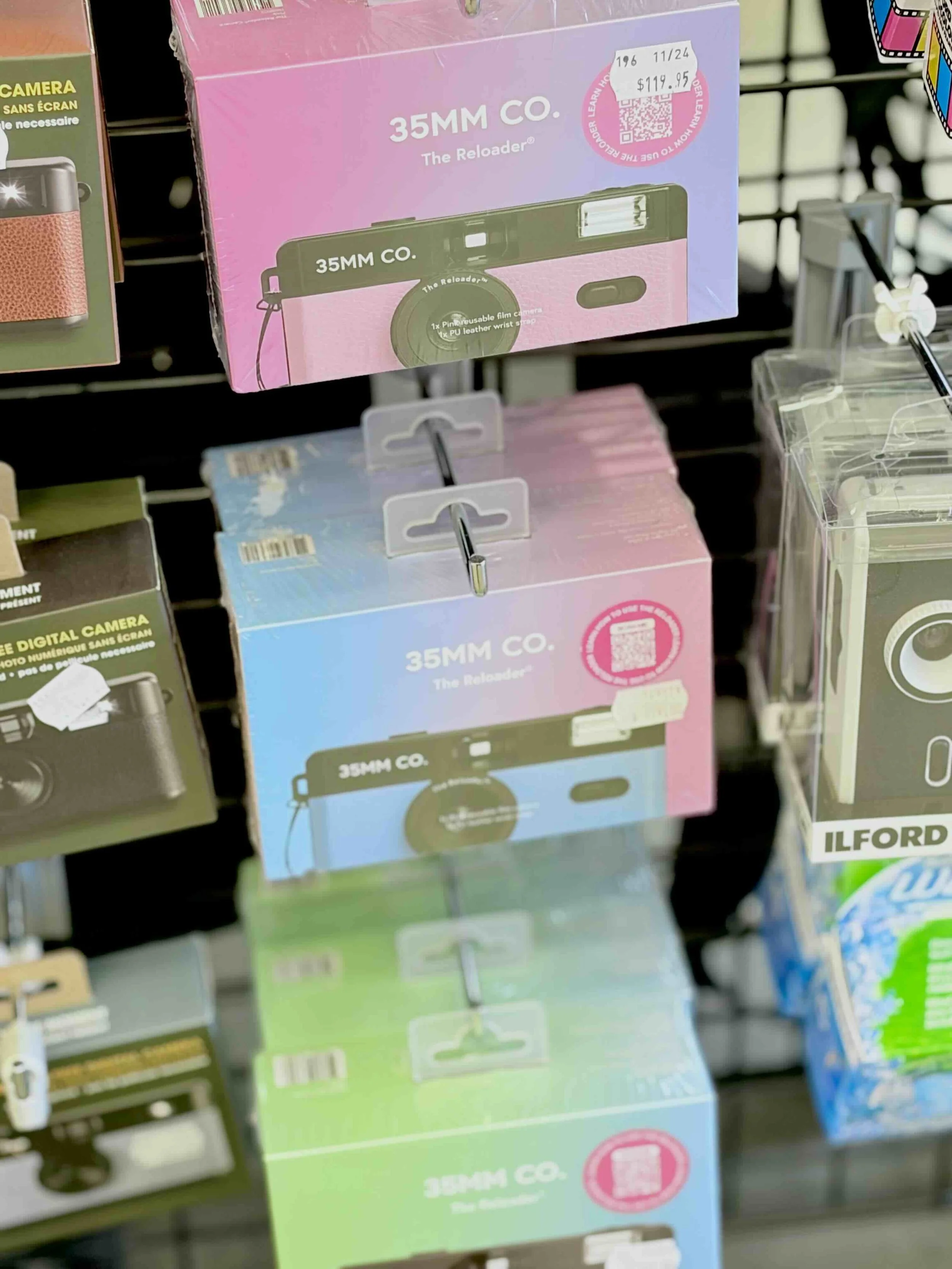
Reusable 35mm film cameras are everywhere at the moment. Brands like 35mm Co and Long Weekend sell colourful, simple cameras marketed to beginners as an easy way to get into film photography without buying a disposable every time.
After processing a lot of film shot through these cameras, we think there’s something people should know before spending $80 to $120 on one.
They’re really not that different from a disposable camera, and your money is better spent elsewhere.
What are reusable 35mm film cameras?
Cameras like the 35mm Co Reloader, Ilford Sprite 35-II and Long Weekend 35mm camera are incredibly simple. All use a plastic lens, fixed aperture, fixed shutter speed, manual film advance and a small built-in flash.
There’s nothing inherently wrong with that. Disposable cameras work much the same way and can make great photos in the right conditions.
The problem is the retail price makes these cameras seem far more sophisticated than they actually are.
Many of these exact cameras can be found through Chinese manufacturers on Alibaba for around $5 to $10 USD.
When you buy one of these cameras, you’re effectively paying a markup of several hundred percent for an extremely cheap plastic camera.
Are reusable film cameras better than disposable cameras though?
From a photographic point of view, no.
These cameras have a fixed aperture and fixed shutter speed, so the amount of light actually reaching the film can be minimal. The camera has no idea whether you’re shooting outside at midday or inside a dark restaurant at night and cannot adjust its aperture or shutter speed accordingly.
If there isn’t enough light, your photos will be underexposed. The built-in flash helps when your subject is close, but it isn’t going to light an entire room or something twenty metres away.
That’s why we regularly see rolls from these cameras where the outdoor photos can look acceptable while anything shot indoors or later in the day is extremely dark.
That isn’t a processing or scanning problem, there just simply isn’t enough light recorded on the film.
The biggest problem we see is shutter failure
One major issue with these cameras is the construction itself.
These cameras use an extremely basic plastic shutter mechanism, and we see them fail constantly.
If the shutter sticks or doesn’t open properly, no light reaches the film. The result isn’t a slightly dark photograph, it’s a completely black frame.
We’ve seen this affect a couple of frames, appear intermittently throughout a roll or, in the worst cases, ruin the entire film.
There’s no warning either. You finish the roll, pay for processing and scanning, and only find out something went wrong when your scans come back.
At that point, those photos are gone.
For a camera sold as something you’ll use again and again, that’s a significant problem.

“Reusable” doesn’t automatically mean sustainable
These cameras are marketed as a more sustainable alternative to disposables because you can reload them with another roll of film. But being reloadable and being built to last are two very different things.
When the shutter fails, the film advance breaks or another cheap plastic part gives up, you’re out of luck.
It gets thrown away and they are not recyclable in any meaningful sense of the word due to their mixed plastic construction.
Eventually, many of these supposedly “sustainable” cameras will still end up in landfill. They may survive five rolls or twenty rolls, but they’re fundamentally cheap plastic products that weren’t designed with repairability or long-term use in mind.
They don’t solve the disposable camera problem. They just create a slightly longer-lasting version of it.
So what should I buy instead?
If you’re considering spending $80 to $120 on a reusable film camera, there are much better options.
Usually this is where we’d give you a list of cameras we recommend at different price points, but the second-hand market moves quickly. The good news? Almost any camera with an f/2.8, f/3.5 or even f/5.6 lens is objectively a better camera than one of these.
A f/2.8 lens lets in around 16 times more light than the fixed f/11 lens found in many of these cameras.
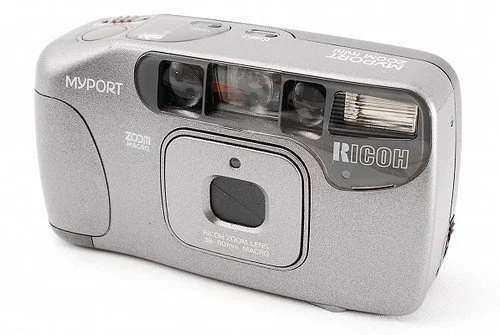
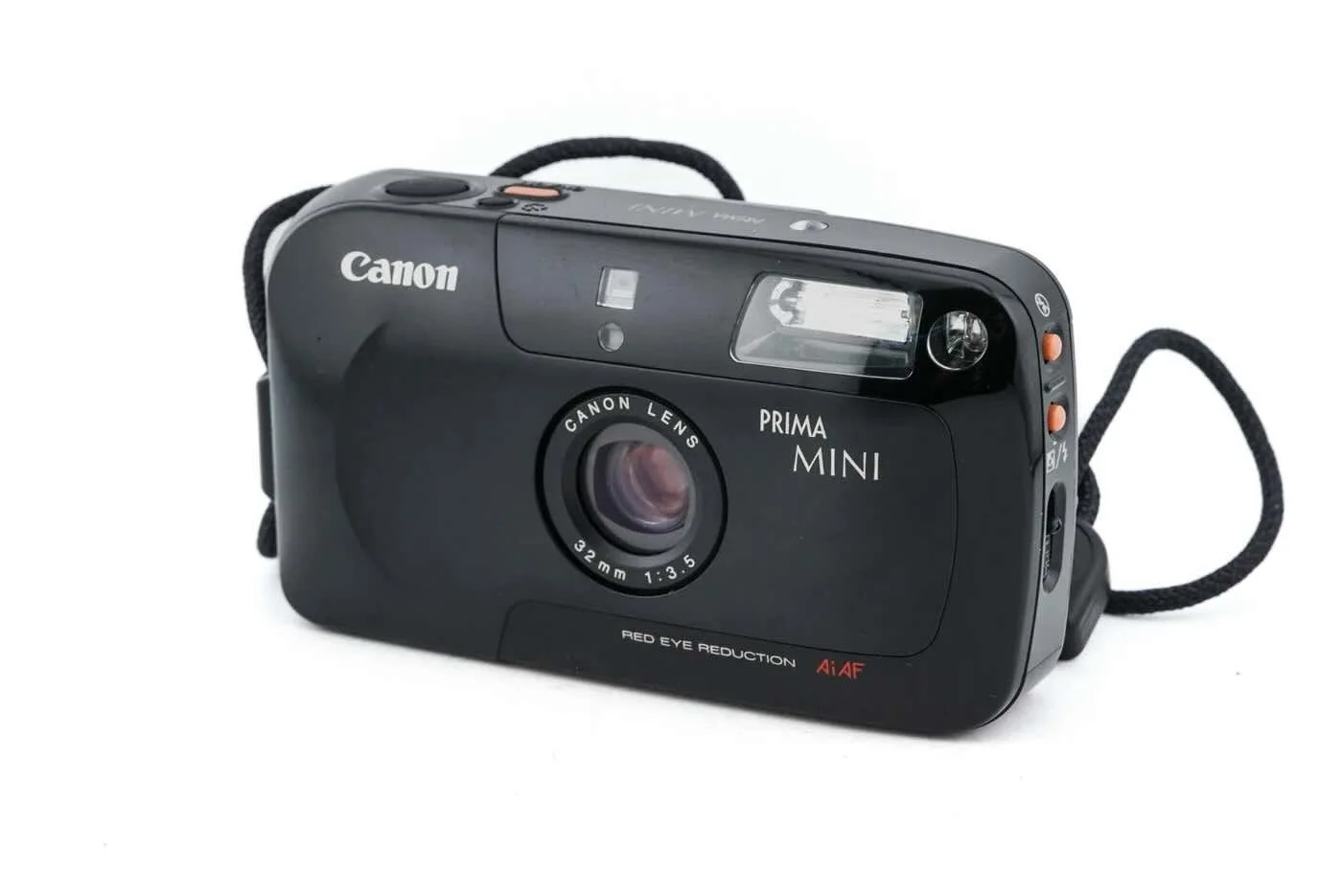
There are thousands of second-hand Canon, Nikon, Olympus, Pentax, Minolta, Ricoh and other film cameras available on eBay. Plenty were built 20, 30 or 40 years ago and are still working today.
Even a basic older point-and-shoot will often give you a proper glass lens, better exposure control and substantially better construction. Some will also give you autofocus, automatic exposure, different shutter speeds and a much more useful flash.
If sustainability is the reason you were considering a reusable plastic camera in the first place, buying a camera that already exists makes a lot more sense than manufacturing another plastic one, shipping it halfway around the world and eventually throwing it away.
So why do labs sell them then?
Film is a tough industry for retail margins. These cameras are the exception.
They can be bought very cheaply and sold at a huge markup, which makes them extremely attractive for labs and retailers to stock.
In our opinion, that fat margin comes at the expense of the customer.
Are 35mm Co, Ilford Sprite and Long Weekend cameras worth it?
In our opinion, no.
Most cameras in this category offer nowhere near enough benefit for the money being asked. They’re extremely basic plastic cameras, often sold at enormous markups, and the marketing can make them sound far more capable, durable or sustainable than they really are.
At $30 or $40? Maybe. As a cheap, fun camera with obvious limitations, we could understand it.
At $80 to $120, your money is much better spent on a proper second-hand film camera. You’ll get better construction, a better lens, more control over exposure and something that was actually designed to last.
For the prices being asked, we think they’re a bad camera, a bad deal and a pretty poor example of what “reusable” should mean.